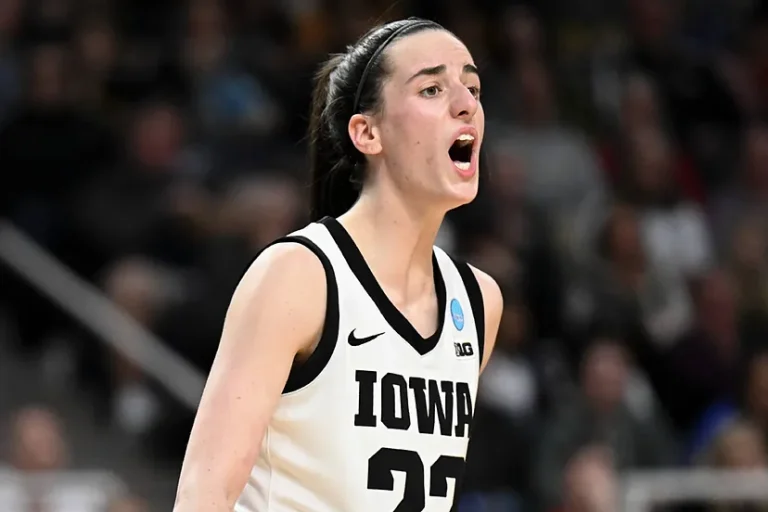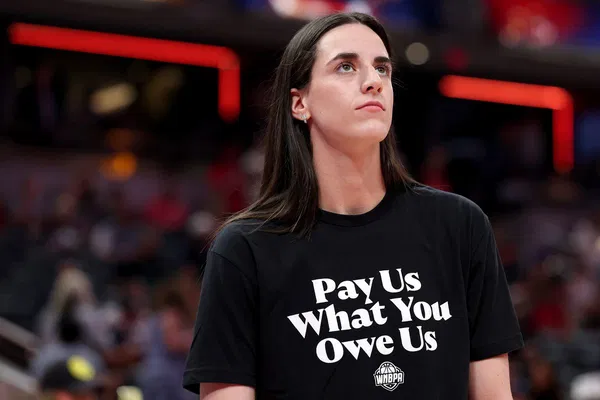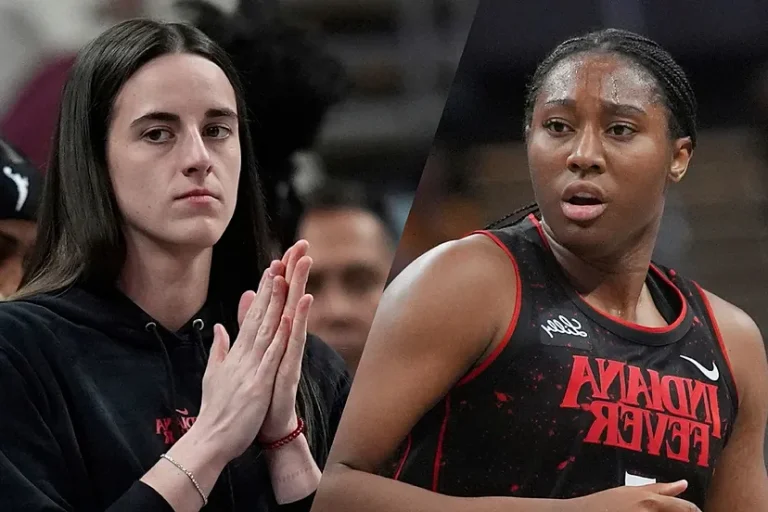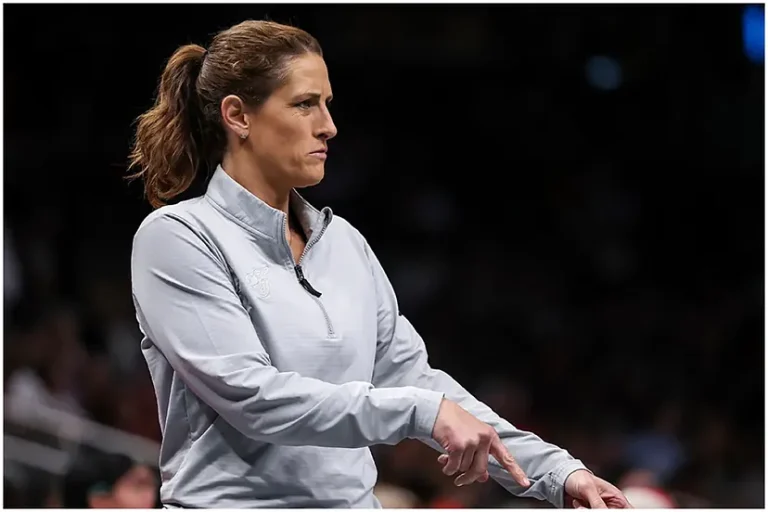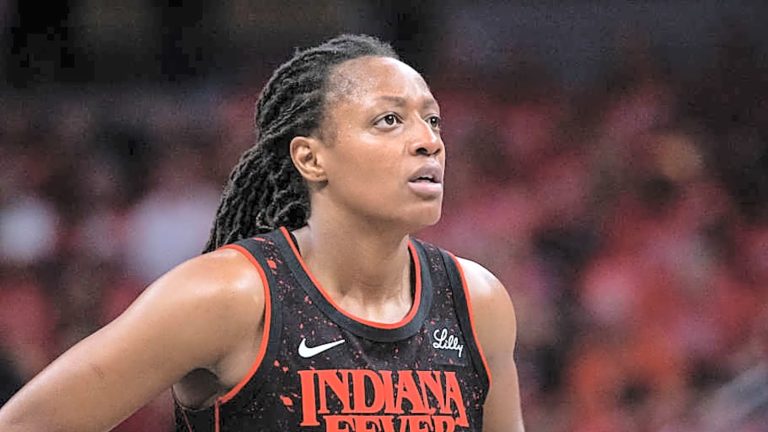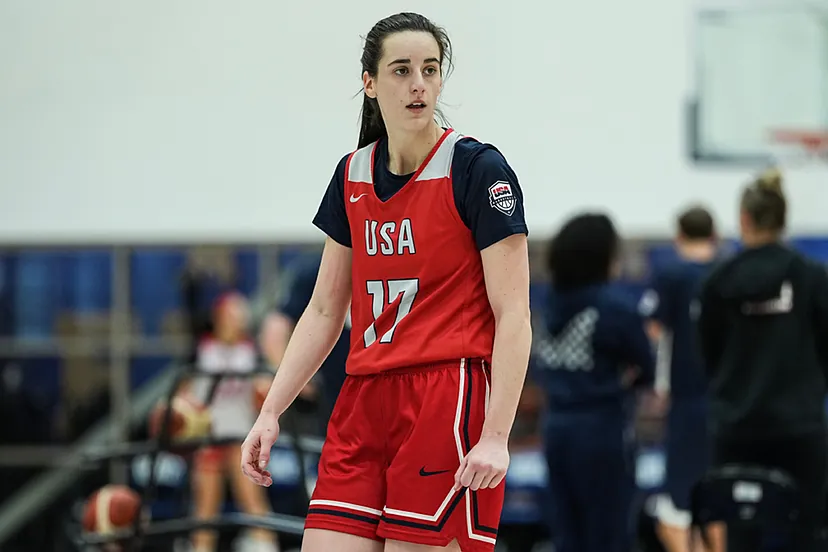
The Monica McNutt Angel Reese Caitlin Clark endorsement debate began after McNutt stated that Angel Reese deserves significantly more endorsement opportunities than she currently receives. Her argument was not rooted in box scores or on court efficiency but in how athletes are packaged and presented to the public. Reese has been one of the most visible players in women’s basketball, leading conversations around confidence, personality, and cultural impact. McNutt suggested that the gap in endorsements reveals more about marketing comfort than basketball value.
Caitlin Clark’s endorsement success is closely tied to her historic scoring, shooting range, and consistent national exposure. She has been marketed as a generational talent who fits seamlessly into traditional sports branding. Her style of play is easy to promote and her image aligns with what major brands often seek. In the context of the Monica McNutt Angel Reese Caitlin Clark endorsement debate, Clark’s success is often used as the benchmark for what brands reward. This comparison has intensified scrutiny of how endorsements are distributed.
Angel Reese’s profile tells a different story that challenges conventional marketing norms. She is outspoken, unapologetic, and embraces a bold identity that resonates strongly with younger fans. Reese has delivered championship success, strong rebounding numbers, and undeniable social media influence. Yet within the Monica McNutt Angel Reese Caitlin Clark endorsement debate, her commercial value has not translated equally into high profile deals. This has led supporters to question whether personality and race affect how athletes are valued off the court.
The broader implications of the Monica McNutt Angel Reese Caitlin Clark endorsement debate reach beyond individual players. The WNBA is experiencing growth in viewership, media attention, and sponsorship interest. As new stars emerge, the league and its partners face pressure to expand their definition of marketability. Fans are increasingly vocal about wanting authentic representation rather than sanitized images. This debate may influence how future athletes are promoted and supported.
From a league perspective, the conversation highlights a critical transition period. The WNBA is no longer fighting solely for visibility but for equity in opportunity. Endorsements play a major role in athlete income and long term brand building. The Monica McNutt Angel Reese Caitlin Clark endorsement debate underscores the need for transparent evaluation of how players are marketed. It also signals that fans are paying close attention to who benefits from the league’s rising popularity.
Comment Prompt
Do you think endorsement opportunities in the WNBA reflect performance, marketability, or something deeper?
About the Author