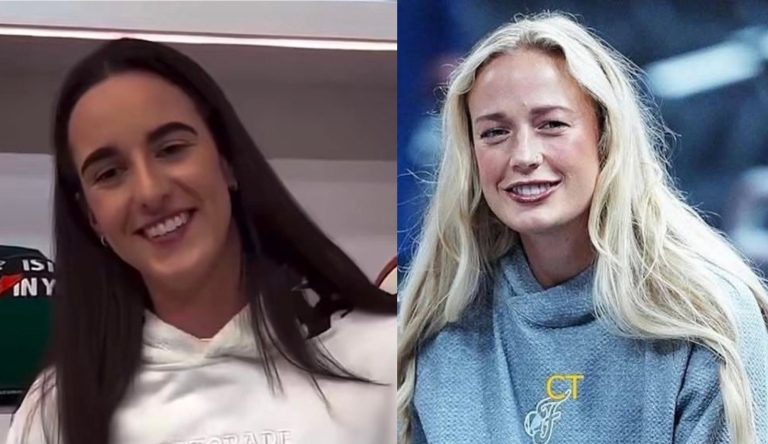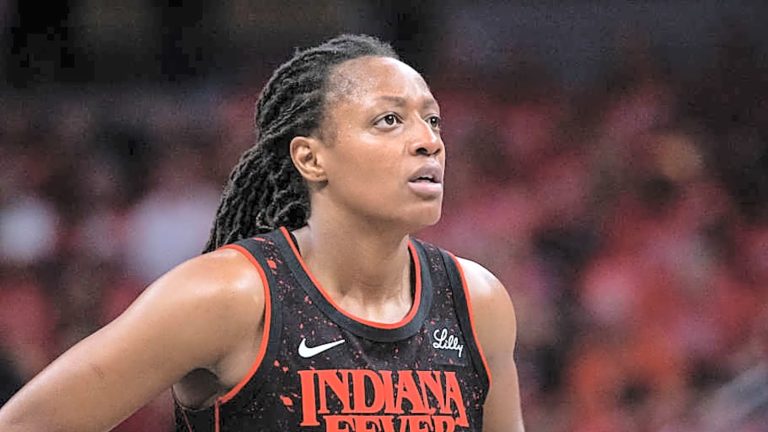
The tension inside the WNBA is no longer quiet, and one of the league’s most respected stars is making sure everyone hears it. Napheesa Collier has issued another firm warning that the league could face serious consequences if meaningful change does not come soon. At the center of the conversation is Caitlin Clark, the generational talent whose presence has helped elevate the WNBA’s popularity to new heights. Collier’s message is clear and uncomfortable: without action, the league risks pushing away the very players driving its growth.
weNapheesa Collier’s latest comments came during Media Day for the Unrivaled league, a project she helped create to give players more control and opportunity. Rather than softening her stance, Collier doubled down on her belief that WNBA leadership must respond to players’ concerns. She emphasized that the collective fire among players has not faded despite months of negotiations. According to Collier, the determination inside the WNBPA remains strong, fueled by the belief that the league’s future depends on fair treatment and long term vision.
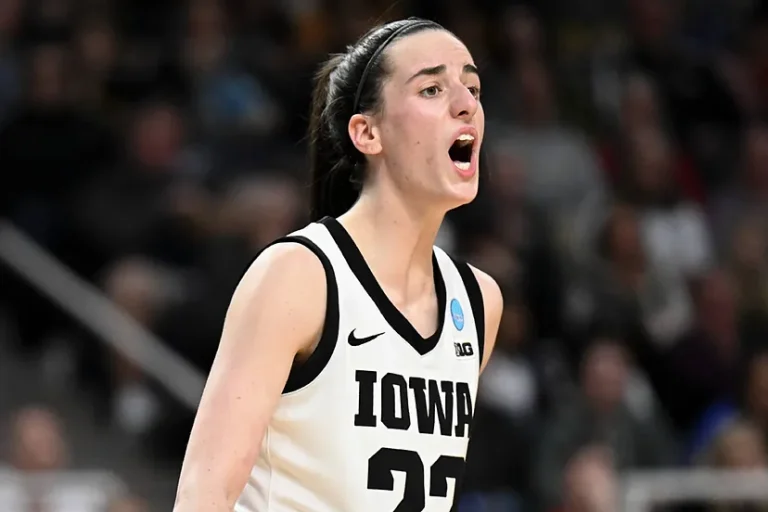
Caitlin Clark’s name continues to surface as a symbol of what is at stake. As one of the most marketable and influential players in women’s basketball, Clark represents both the present and future of the league. Collier’s warning suggests that stars like Clark may eventually seek alternatives if progress stalls. With overseas leagues, new domestic ventures, and endorsement opportunities expanding, elite players now have leverage they did not possess in the past. The WNBA can no longer assume loyalty without addressing fundamental issues.
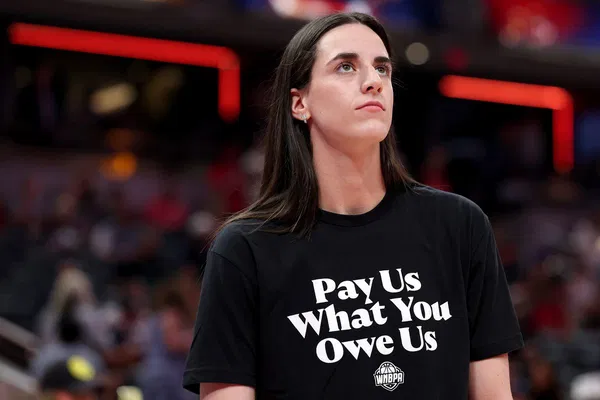
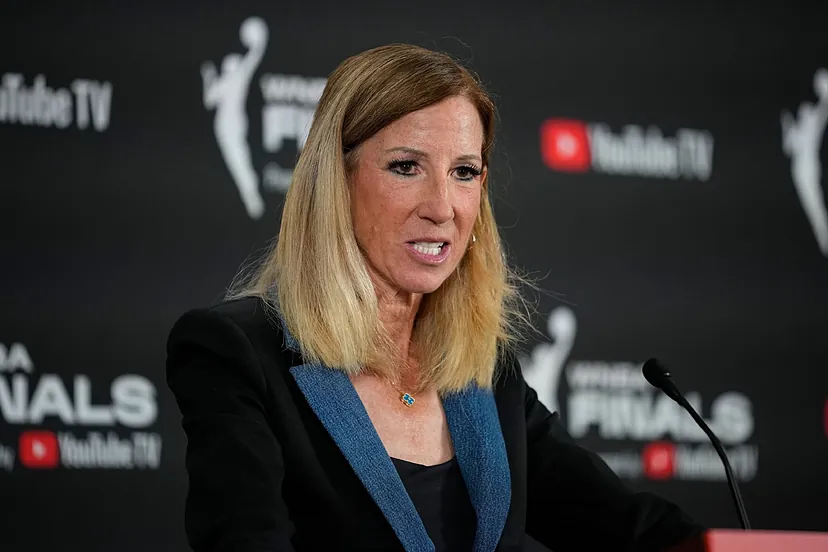
Collier’s criticism of commissioner Cathy Engelbert is rooted in unresolved Collective Bargaining Agreement negotiations that have dragged on for nearly a year. Players are pushing for improved revenue sharing, better pay structures, and enhanced benefits such as childcare and retirement support. The WNBPA is reportedly seeking a revenue sharing model closer to 30 percent, while the league’s current offers fall well short. So far, the only compromise has been extending the existing agreement to January 9, 2026, a move many players see as another delay rather than progress.
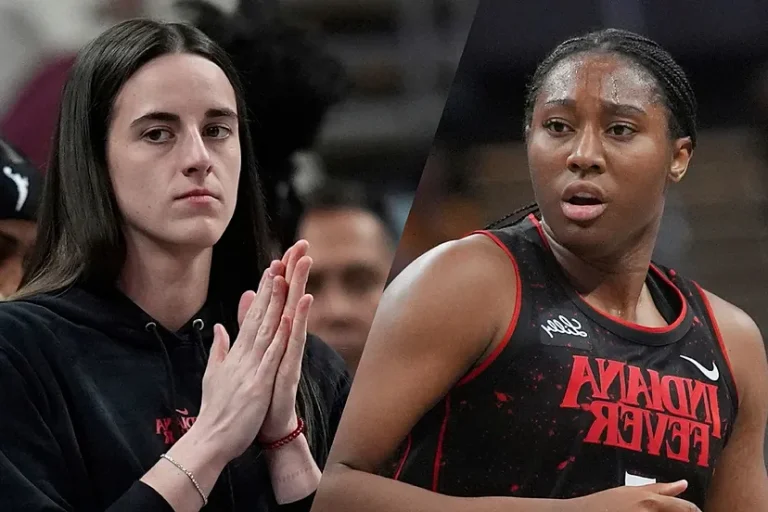
Unity among players has become one of the most powerful elements of this moment. Collier has noted that support spans across teams and star levels, with players like Angel Reese and Lexie Hull echoing similar frustrations. This collective resolve makes the possibility of a lockout very real if negotiations fail. Such an outcome could disrupt free agency, the draft, and expansion plans, all while momentum around the league continues to grow. For a league enjoying unprecedented attention, the timing could not be more precarious.
Despite the pressure, Collier insists that players are not backing down. She has openly rejected the idea that fatigue is setting in, stating that frustration has only strengthened their resolve. Upcoming leagues like Unrivaled and Athletes Unlimited are being viewed as strategic opportunities for players to gather, align, and maintain momentum during critical negotiation months. The concentration of top talent during this period could prove decisive as talks intensify early next year. For Collier and the WNBPA, the message is simple: they are prepared to do whatever it takes.
As the deadline approaches, the WNBA stands at a crossroads. The league has benefited enormously from the visibility and star power of players like Caitlin Clark, whose influence extends far beyond the court. Failing to meet players halfway risks more than public criticism; it threatens the long term stability of the league itself. Collier’s warning is not just about one player or one contract, but about whether the WNBA can evolve fast enough to match its growing popularity. What happens next may define an entire era of women’s basketball.
Comment Section Prompt
Do you think the WNBA is doing enough to keep stars like Caitlin Clark committed to the league, or is major change overdue? Share your thoughts in the comments.
About the Author