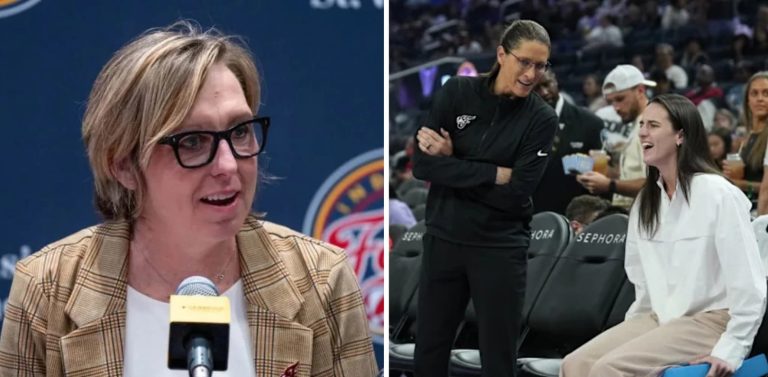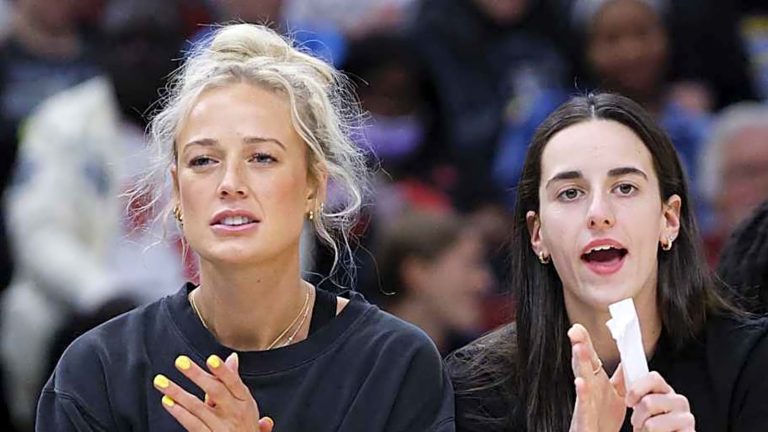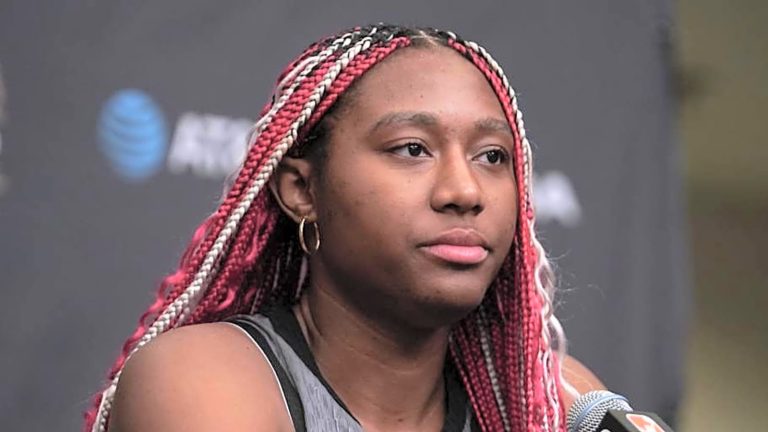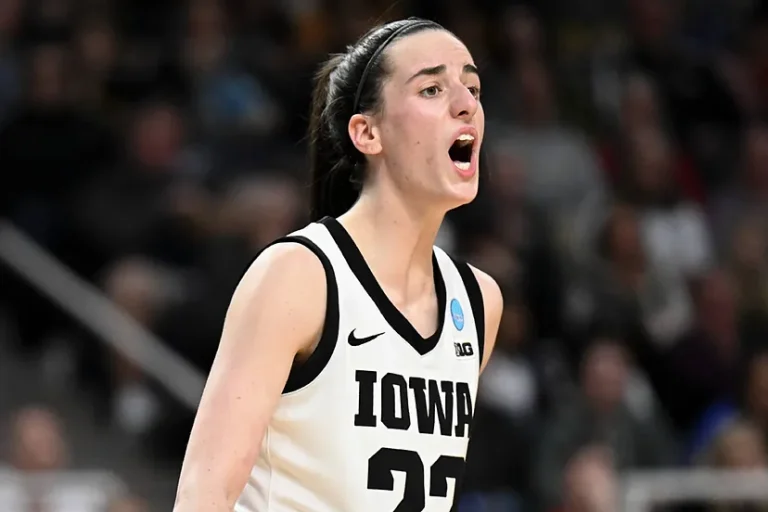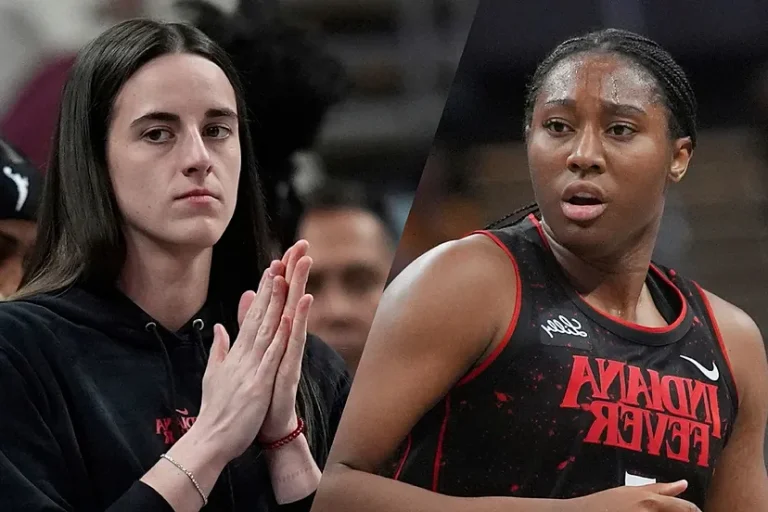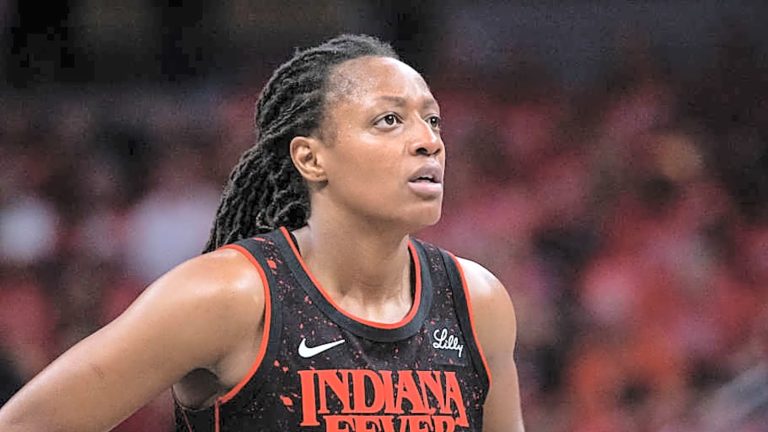
The current dispute centers on revenue sharing and the long term financial structure of the league. The Napheesa Collier WNBA stance became more visible during the Unrivaled Season 2 opener broadcast, where she defended the union’s push for roughly 30 percent of gross revenue. Collier framed her position through her experience with Unrivaled, the player owned three on three league, stating that sustainable business models require strong leadership and fair compensation. She emphasized that players feel they cannot accept less than what they believe reflects their value, especially during a period of growth for women’s basketball. These remarks were seen by many fans as a firm declaration that the union would not soften its position.
However, analyst Rachel DeMita of Courtside Club offered a different perspective that has fueled debate. According to DeMita, reports indicate the WNBPA has already adjusted its revenue sharing request downward to around 30 percent, while the league remains firm at an estimated 15 to 17 percent. This gap has reportedly slowed progress and placed key league operations in a holding pattern. The Napheesa Collier WNBA stance appears shakier under this lens, as the public messaging does not fully align with what is happening behind closed doors. For observers, this disconnect raises questions about strategy and communication rather than commitment to player interests.
The broader implications of the stalled negotiations are significant. The delay threatens the timeline for the 2026 expansion draft and complicates free agency planning, particularly for incoming teams in Portland and Toronto. League executives have reportedly projected substantial short term losses if revenue sharing demands increase too rapidly, even with rising attendance and media attention. From this standpoint, the league’s cautious approach reflects concerns about long term viability rather than resistance to player pay. The Napheesa Collier WNBA stance, while rooted in advocacy, now sits at the intersection of economic reality and player empowerment.
Collier’s frequent references to Unrivaled as proof that alternative models can succeed have also sparked debate. Supporters argue that Unrivaled demonstrates how player ownership and revenue alignment can work when athletes have a direct stake. Critics counter that the smaller scale of a three on three league is not comparable to the logistical and financial demands of a full WNBA season. They suggest that public criticism of league leadership risks alienating investors, sponsors, and partners at a time when stability is crucial. This tension has made the Napheesa Collier WNBA stance a focal point for discussions about tone, leverage, and timing.
Despite the public friction, both sides continue to signal that negotiations are happening in good faith. Neither the league nor the union has indicated a desire for a work stoppage, and there is shared recognition that the league is in a growth phase that requires careful planning. For fans, the situation highlights the challenge of balancing fair compensation with sustainable expansion. The Napheesa Collier WNBA stance reflects genuine frustration among players, but it also underscores how complex labor talks can become when growth outpaces infrastructure. The outcome will likely shape not just salaries, but the league’s structure for years to come.
Comment Prompt
What do you think this means for the future of the WNBA and its players?
About the Author