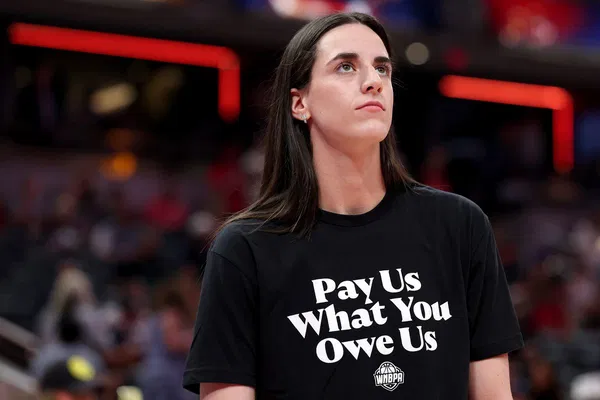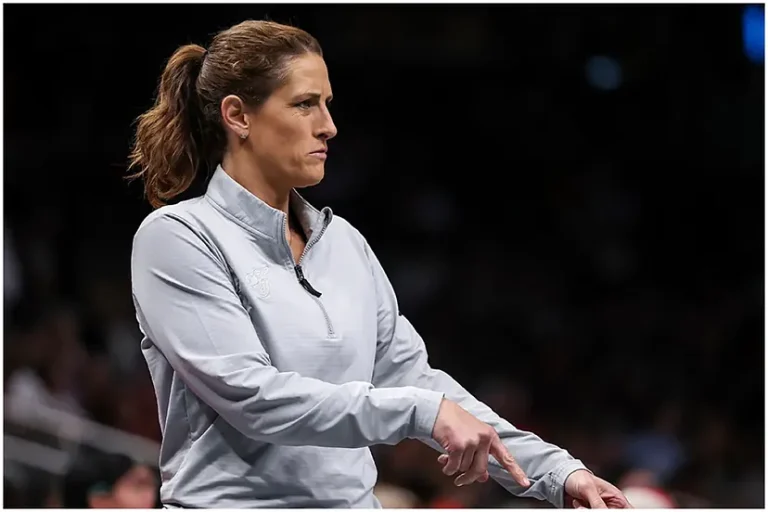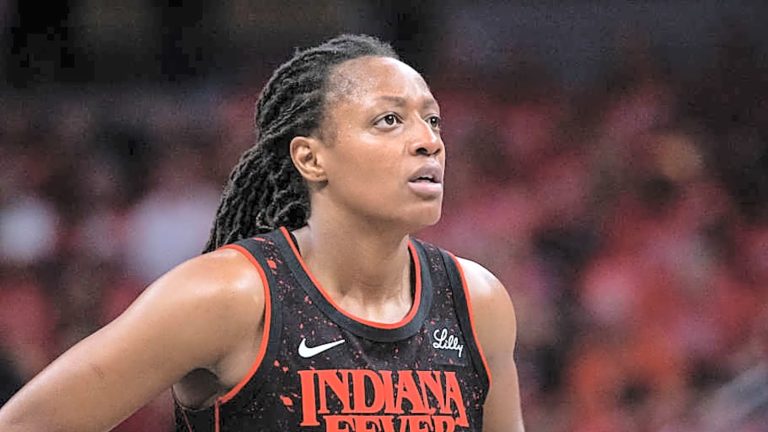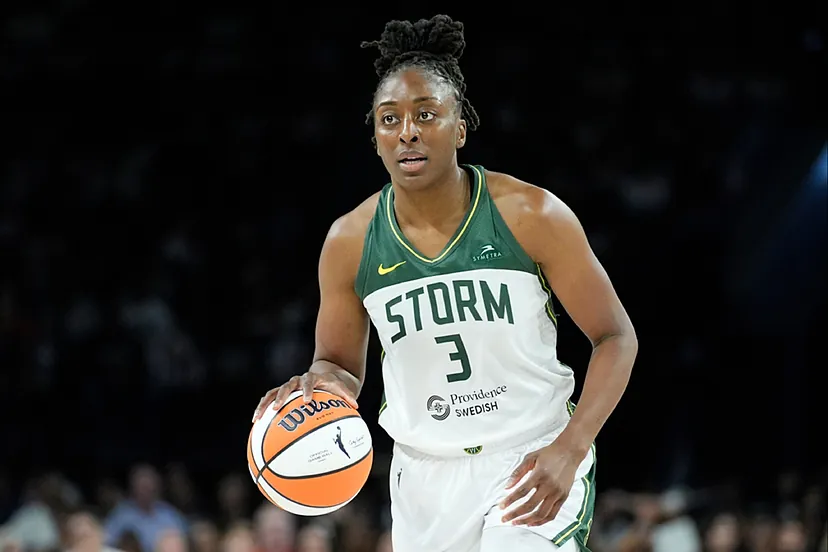
Nneka Ogwumike millionaire players media impact has become one of the most discussed storylines of the WNBA offseason as negotiations between the league and the players’ union remain unresolved. As president of the WNBPA, Ogwumike has made her position clear that symbolic progress is no longer enough and that players deserve compensation that reflects the league’s financial growth. Her message has resonated across the basketball world, sparking debate about revenue sharing, long term sustainability, and how women’s sports are valued in mainstream coverage. With the 2026 season approaching, the issue has moved from quiet negotiation rooms into the public spotlight.
Main Content Body
The current standoff between the WNBA and the WNBPA stems from the players’ decision to opt out of the previous collective bargaining agreement in late 2024. That agreement officially expired at the end of October 2025, opening the door for a new financial structure that both sides hoped would reflect the league’s rapid expansion. Since the last deal, attendance numbers have increased, television ratings have improved, and franchise valuations have climbed steadily. A new media rights contract reportedly worth more than two billion dollars further demonstrated that the league has entered a different economic era. Against that backdrop, Ogwumike’s statement about wanting millionaire players was not framed as a luxury but as a reflection of what she believes the athletes have already earned through performance and visibility.
From the union’s perspective, the issue is not only about higher salaries but about a fair share of overall revenue. Players have pushed for a structure closer to 30 percent of gross revenue, arguing that their labor and growing popularity drive the league’s commercial success. The league, however, has countered with proposals closer to 15 percent of net revenue, warning that anything higher could result in hundreds of millions of dollars in projected losses over the life of a new agreement. This financial gap explains why negotiations have dragged on without resolution. Ogwumike has consistently framed the debate as one of value rather than confrontation, emphasizing that the upward trend in fan engagement and sponsorship should translate directly into player earnings.
The Nneka Ogwumike millionaire players media impact extends beyond contract figures and into how the league is perceived by the public. Her comments have shifted the conversation from whether players deserve more money to how women’s basketball fits into the broader sports economy. In recent seasons, the WNBA has benefited from increased national exposure, new broadcast partnerships, and crossover attention from mainstream sports media. These changes have created a sense that the league is entering a new phase of cultural relevance. Ogwumike’s stance taps into that momentum by connecting financial fairness with long term credibility. If the league wants to be treated as a major professional sports organization, she argues, then player compensation must reflect that status.
Another layer complicating negotiations comes from ownership and investment decisions made in recent years. In 2022, the league sold a minority stake to outside investors to stabilize finances and support expansion and marketing efforts after the pandemic. While that move strengthened the league’s business foundation, it also introduced more complex revenue structures and stakeholder interests. These factors now play a role in how much flexibility the league has at the bargaining table. Players see rising franchise values and new media contracts as proof that resources exist. League officials, meanwhile, emphasize long term sustainability and the need to avoid financial risk. This tension has made compromise more difficult, even as both sides acknowledge the league’s growth.
For fans, the debate is not just about numbers but about what the future of the WNBA will look like. A deal that significantly raises player salaries could help retain top talent, reduce the need for overseas contracts, and improve the overall quality of play. It could also send a powerful signal about the league’s commitment to its athletes at a time when women’s sports are gaining more attention than ever before. At the same time, prolonged negotiations raise concerns about potential labor disruptions and uncertainty heading into the next season. The outcome will likely shape not only player careers but also how sponsors, broadcasters, and casual viewers engage with the league.
The Nneka Ogwumike millionaire players media impact highlights a broader shift in how athletes advocate for themselves in modern sports culture. Rather than quietly accepting incremental change, today’s leaders are using public platforms to frame their demands in terms of fairness and value. Ogwumike’s role as both a star player and union president gives her words added weight. She has positioned the issue as one that reflects the league’s identity and future direction. Whether negotiations end in compromise or further standoff, her message has already changed the tone of the conversation around women’s basketball economics.
Nneka Ogwumike’s call for millionaire players represents more than a salary request. It reflects the WNBA’s growing influence, rising revenues, and expanding cultural footprint. As negotiations continue, the league faces a defining moment that will determine how it balances financial caution with player recognition. For fans and observers, this dispute offers a clear view into how professional women’s basketball is evolving in both business and visibility. The final agreement will shape the next chapter of the league and set expectations for what fairness looks like in a rapidly growing sport.
Comment Prompt
Do you think the WNBA will meet the players’ demands for higher revenue sharing before the 2026 season begins?
About the Author