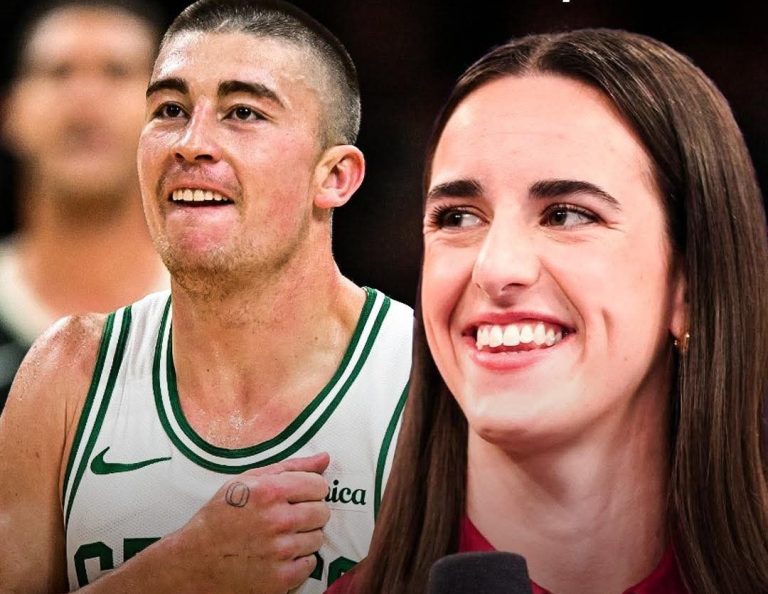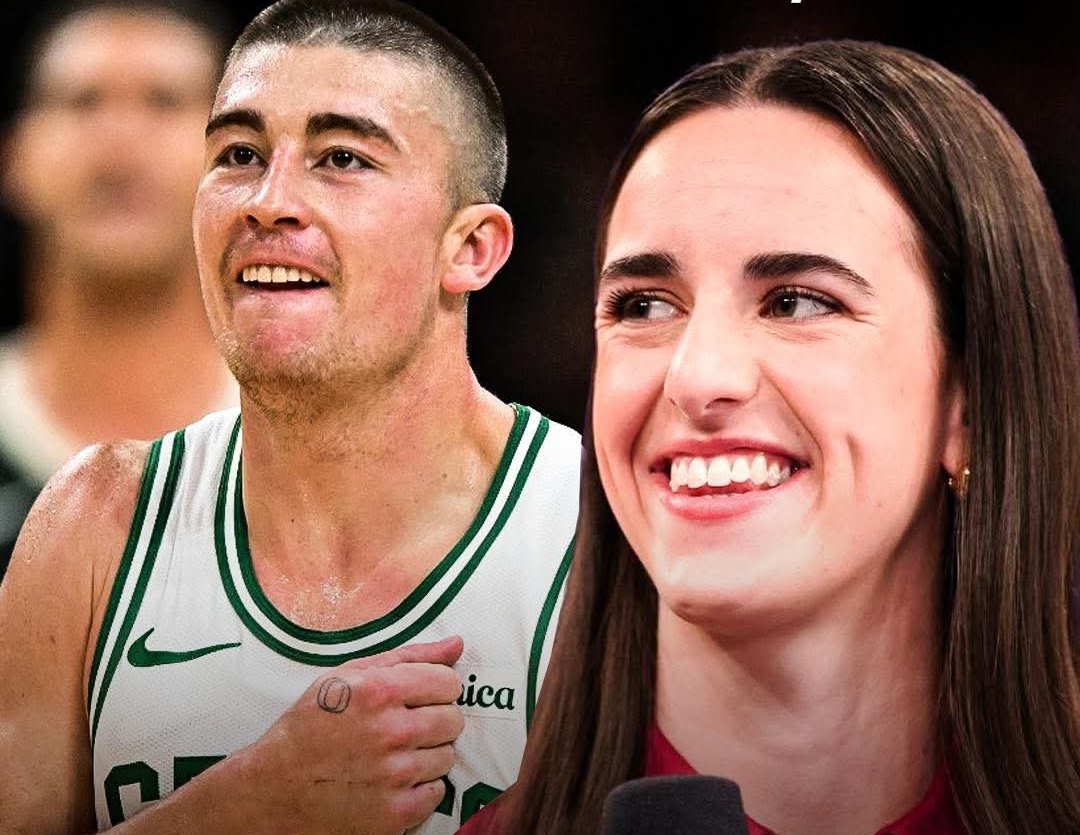
The Payton Pritchard Caitlin Clark comparison media impact has become one of the most discussed storylines in basketball conversations this week. After a strong performance that caught the attention of fans and analysts alike, Pritchard found himself once again at the center of a growing debate about how NBA and WNBA stars are being measured against each other in today’s sports culture. The comparison is not only about shooting ability but also about how visibility and media narratives are shaping player reputations across leagues. As clips of his game circulated online, the discussion quickly expanded beyond the box score and into a broader conversation about crossover influence and fan engagement.
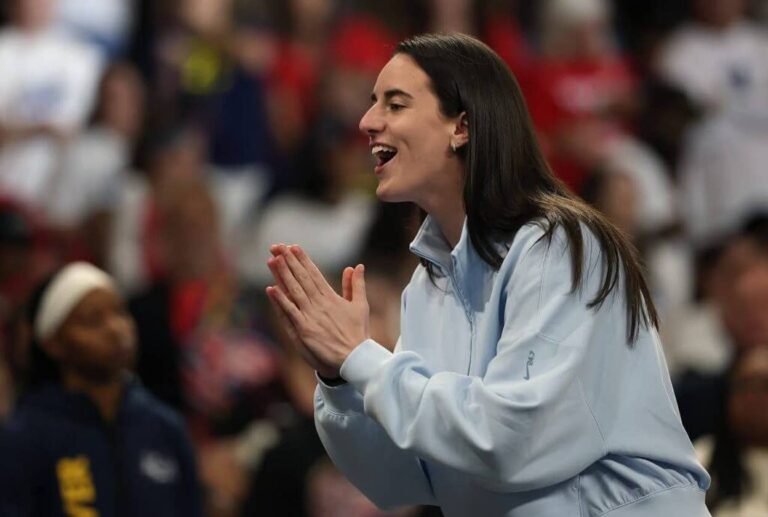
The renewed attention came at a moment when Caitlin Clark continues to redefine how women’s basketball is covered and consumed. Her influence has pushed WNBA stars into mainstream visibility in ways rarely seen before, and that context has made any comparison involving her name carry significant cultural weight. For Pritchard, the spotlight brought both praise and scrutiny, as fans tried to determine whether the comparison reflects genuine similarities or simply a product of modern sports media trends.
The background of this discussion lies in Pritchard’s recent performance, which showcased confidence, deep shooting range, and composure in high pressure moments. These qualities are often associated with Caitlin Clark, whose ability to stretch defenses and command attention has reshaped how teams prepare for her. Observers noted that Pritchard’s decision making and shot selection mirrored some of the traits that have made Clark one of the most recognizable figures in basketball today. This connection sparked immediate fan reaction analysis across social platforms, where short video clips and commentary fueled the narrative of a shared playing style.
From a media perspective, the Payton Pritchard Caitlin Clark comparison media impact highlights how coverage is evolving. Instead of separating NBA and WNBA discussions, sports commentary is increasingly blending the two into a single conversation about skill, influence, and entertainment value. This shift reflects a broader basketball coverage change in which players are evaluated through both performance metrics and their ability to generate attention and engagement. Pritchard’s moment became part of that coverage shift because it intersected with an already established cultural symbol in Clark.
Public reaction has been mixed but intense. Many fans celebrated the comparison as recognition of Clark’s influence and Pritchard’s growing confidence. Others argued that comparing players across leagues can oversimplify different competitive environments. Still, the sheer volume of discussion shows how powerful crossover influence has become in shaping narratives. The debate is no longer only about statistics or wins and losses but about how players resonate with audiences. That resonance is what turns a single game into a widely shared topic.
The implications of this discussion reach beyond one performance. For Pritchard, the attention could influence how his role within the Celtics is perceived by fans and analysts. If his consistency improves, the comparison may strengthen his image as a reliable offensive contributor with mainstream appeal. For Clark, the fact that her name is used as a benchmark underscores her position as a cultural reference point in basketball. This reflects the expanding mainstream visibility of women’s basketball and how its stars now shape narratives even within NBA conversations.
This moment also speaks to the growing cultural influence of athletes who transcend league boundaries. The Payton Pritchard Caitlin Clark comparison media impact demonstrates how storytelling in sports now revolves around shared themes of confidence, range shooting, and star presence. These qualities appeal to younger audiences who consume highlights and commentary through social platforms rather than traditional broadcasts. As a result, fan perception becomes just as important as professional analysis in determining how a story develops.
Looking ahead, this discussion may encourage more cross league dialogue and more nuanced comparisons. Analysts may focus less on direct equivalence and more on how certain traits define modern basketball regardless of gender or league. This approach can enrich basketball culture by highlighting the skills that resonate universally. It also provides a framework for understanding how media narratives influence player identity and public expectations.
The Payton Pritchard Caitlin Clark comparison media impact is not just a reaction to one game but a reflection of changing basketball coverage and fan engagement. It shows how performance, visibility, and cultural relevance now combine to shape how players are discussed and remembered. For fans, this moment reinforces the idea that basketball narratives are becoming more connected across leagues and audiences. As both players continue their seasons, the conversation will likely evolve with each new performance and highlight.
Comment Section Prompt
What do you think this comparison says about the way NBA and WNBA stars are viewed today?
About the Author