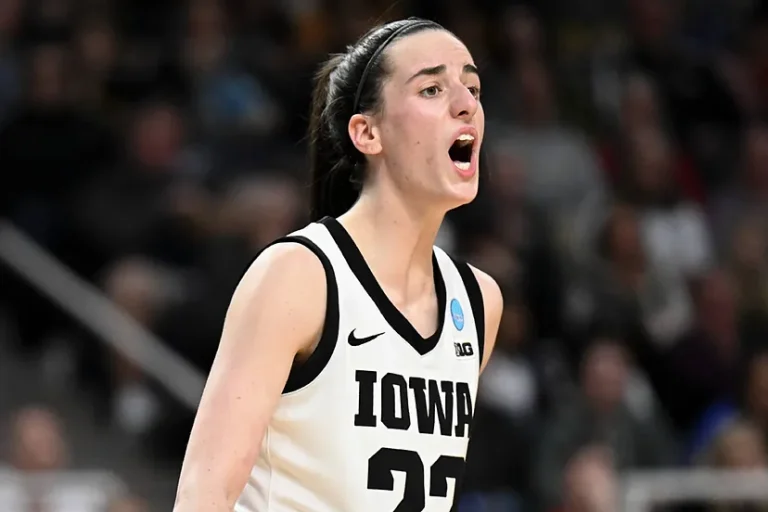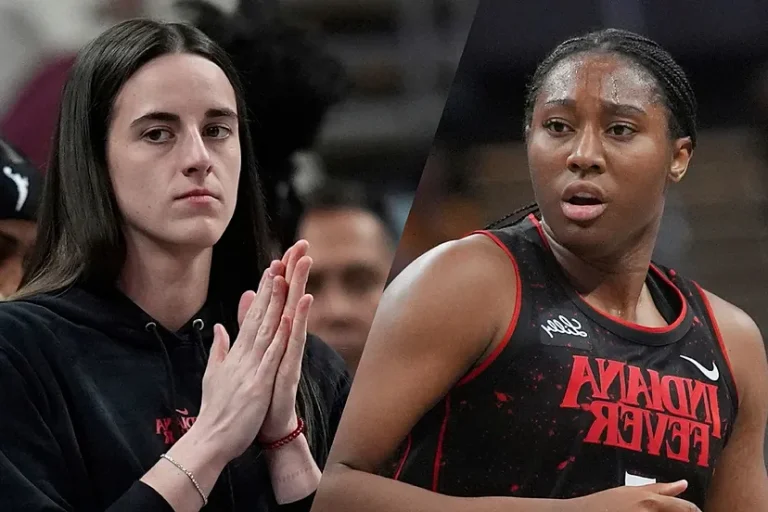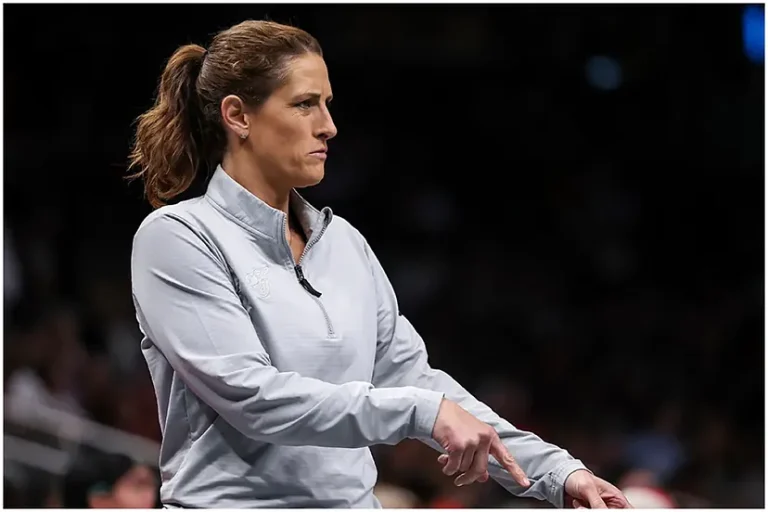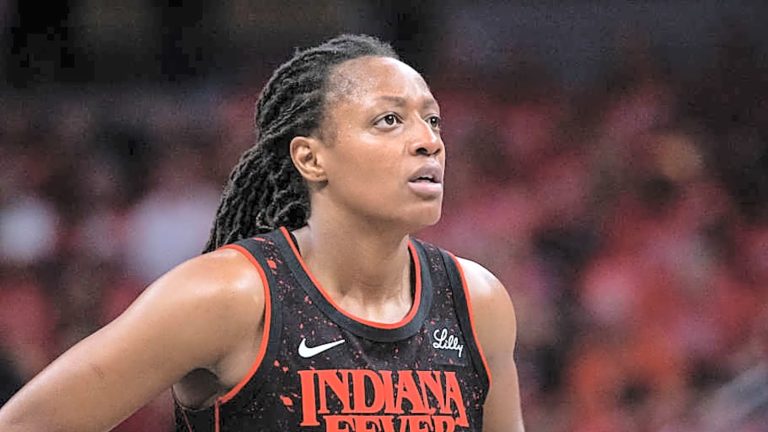
Just as the WNBA and the players union struggle to finalize a new CBA under a tense 40 day extension, Project B is acting fast and loud. The rising Saudi backed women’s league continues to scoop up WNBA talent, raising eyebrows and pressure at the most sensitive moment in league negotiations. With every new signing, the power balance between the two leagues feels a little less predictable.
Project B has positioned itself as a bold new alternative for women’s basketball, and this week’s wave of signings makes that message clear. The league plans to launch in November 2026 with six teams, and its latest additions signal that it wants not just talent, but star power from across the basketball world. Indiana Fever guard Kelsey Mitchell, known as one of the most lethal scorers in the league, is among the biggest names jumping in. Her decision alone shows Project B’s ability to attract franchise level talent.
Sophie Cunningham from the Phoenix Mercury also made headlines by joining as both a player and equity partner. Her move suggests Project B isn’t just building rosters, but building ownership opportunities that appeal to ambitious athletes. When players are given both a voice and a stake in the structure, the competition with the WNBA becomes far more complicated. Fans are watching closely to see how these dual roles shape the league’s identity.
The momentum doesn’t stop there. Las Vegas Aces champion Jewell Loyd brings championship pedigree. Chicago Sky center Kamilla Cardoso adds size, dominance, and global attention as one of the brightest young stars in the sport. Janelle Salaün, a standout rookie with the Golden State Valkyries, gives Project B a rising name who represents the next generation. The inclusion of Chinese national team star Li Meng underscores the international reach Project B is aiming for.
All of this is happening as the WNBA negotiates core issues like revenue sharing, player movement, and scheduling. The timing is not lost on players or fans. While no one expects Project B to overtake the WNBA overnight, the growing roster forces important questions about competition, salaries, and long term stability for athletes who want better opportunities.
What’s clear is that Project B is not slowing down. Whether this becomes a rivalry, a partnership, or something in between, both leagues are entering a new era. And as more players weigh their future, the decisions being made today may reshape women’s basketball on a global scale.
Comment Section Prompt
Do you think Project B will challenge the WNBA or simply push it to evolve? Share your thoughts in the comments.
About the Author