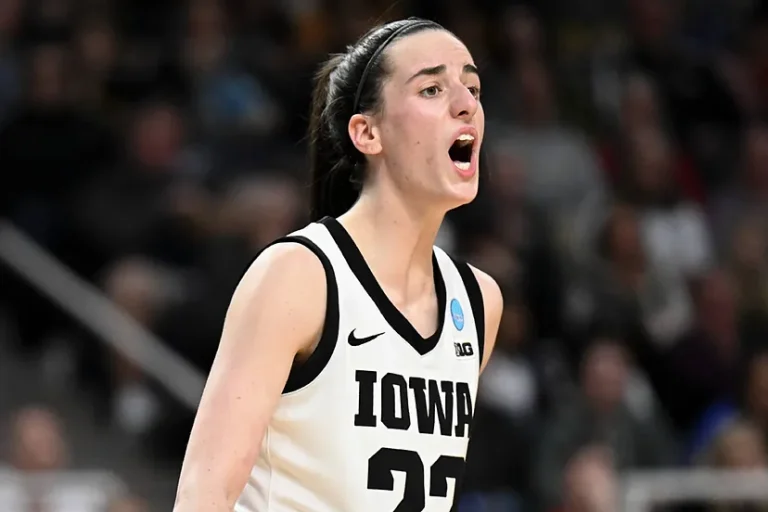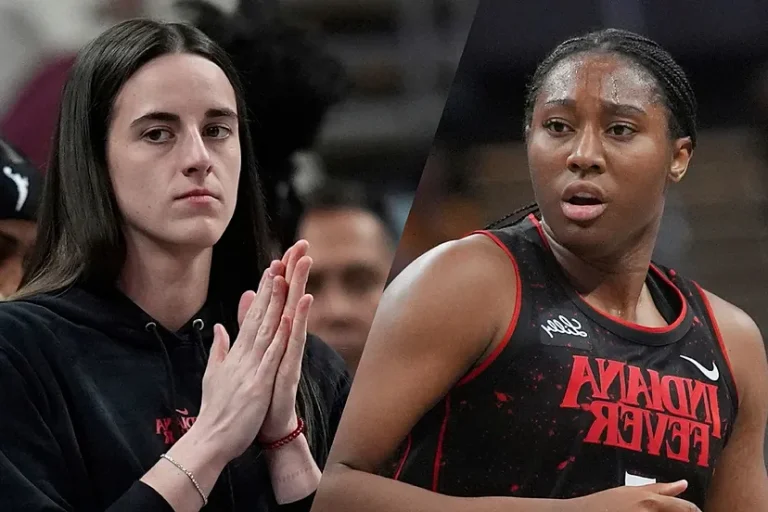
Robin Lundberg reacts to Caitlin Clark NBC NBA role media impact as the Indiana Fever star joins NBC’s NBA coverage during the WNBA offseason. On his show, Lundberg shared his perspective on what Clark’s new broadcast role represents for her career and for women’s basketball visibility. The discussion centered on how Clark’s presence in NBA media spaces reflects her growing influence beyond the court. This move highlights the changing relationship between the WNBA and mainstream basketball broadcasting.
Main Content Body
During his show, Robin Lundberg focused on how Caitlin Clark’s NBC role signals a shift in how networks view WNBA players. He explained that Clark’s popularity and credibility as a basketball mind make her a natural fit for national NBA coverage. Rather than treating this as a temporary appearance, Lundberg framed it as an example of long-term crossover influence between leagues. His reaction emphasized that Clark is becoming a recognizable voice in basketball culture, not just a standout scorer for the Indiana Fever.
Lundberg also discussed how timing plays an important role in this opportunity. With the Fever in the offseason, Clark can explore media work without interfering with her playing responsibilities. He noted that this kind of balance allows players to expand their professional identity while staying committed to their teams. The Indiana Fever benefit from this exposure because their star player remains visible in national conversations even when games are not being played. This coverage shift keeps the team relevant throughout the year.
Another key point in Lundberg’s reaction was the impact on the WNBA’s broader image. He suggested that Clark appearing on NBC’s NBA coverage strengthens WNBA mainstream visibility by placing a current WNBA player in front of a traditionally NBA-focused audience. This presence challenges old boundaries between men’s and women’s basketball coverage. According to Lundberg, the move reflects how fan interest in Clark has created new opportunities for representation in sports media.
Fan response was also part of the discussion. Lundberg highlighted that many viewers see this moment as validation of Clark’s influence and knowledge of the game. From a fan reaction analysis standpoint, supporters are excited to see her succeed in spaces that were once limited to former NBA players and analysts. Some fans believe this will encourage more networks to feature WNBA players in similar roles. This reaction shows growing acceptance of women’s basketball voices in national sports conversations.
Lundberg concluded his reaction by pointing out that this could become a model for future players. If Clark’s NBC role proves successful, other WNBA athletes may be invited into broadcast roles across major networks. This would deepen the connection between leagues and expand opportunities for player-driven storytelling. His analysis framed Clark’s move as part of a larger cultural influence rather than a single offseason job.
Robin Lundberg’s reaction to Caitlin Clark joining NBC’s NBA coverage highlights the media impact of her growing role in basketball culture. His analysis shows that this move benefits the Indiana Fever, the WNBA, and fans who want to see greater representation in sports broadcasting. Clark’s offseason broadcast role reflects a broader shift toward crossover influence between leagues. As coverage continues, this moment may shape how future WNBA players are featured in national sports media.
Comment Prompt
Do you agree with Robin Lundberg’s take on Caitlin Clark’s NBC role and its impact on the Indiana Fever and the WNBA?
About the Author