Your message has been sent

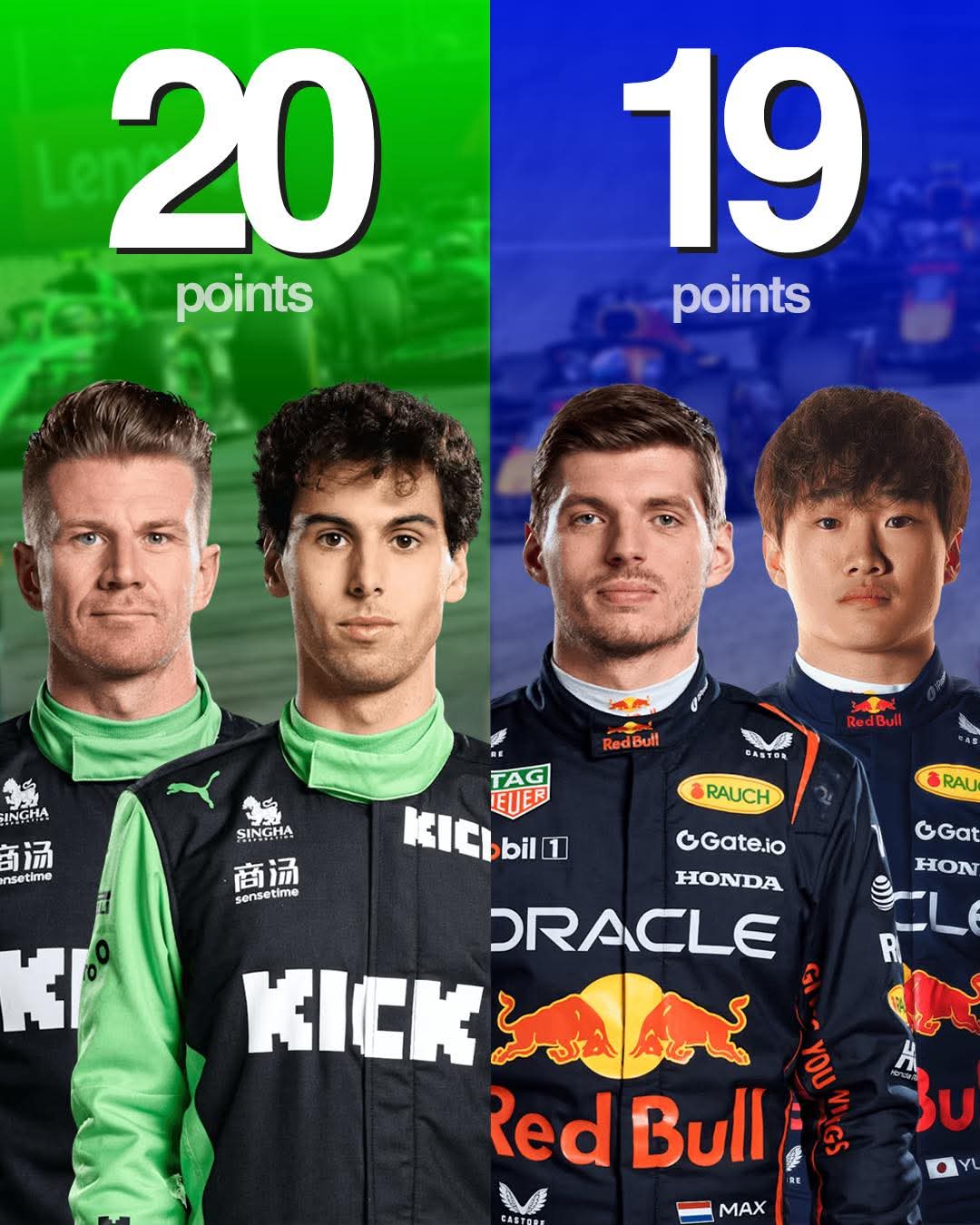
Over the past three Grand Prix weekends, the paddock has witnessed an unexpected storyline: Sauber has quietly gathered a richer haul of championship points than perennial powerhouse Red Bull. What began as a statistical quirk after the first of the three races has now grown into a trend that even the most optimistic Hinwil supporters could scarcely have imagined.
Sauber’s resurgence stems from a blend of fault-free reliability and perfectly judged race strategies. While outright pace still favors many front-running teams, the Swiss outfit has maximized every opportunity—capitalizing on late-race safety-car periods, executing slick pit stops, and ensuring both cars reach the chequered flag inside the top ten. The cumulative effect of these steady results has propelled the team up the constructors’ standings far more rapidly than mid-season forecasts predicted.
By contrast, Red Bull’s usually seamless operation has stumbled just enough to open the door. A mix of mechanical gremlins, uncharacteristic driver errors, and strategic gambles that failed to pay off has trimmed their points flow to a trickle. Each setback alone might have seemed minor, yet together they’ve allowed Sauber to inch ahead on the score sheet during this short window.
While three races do not decide a season, momentum matters in Formula 1. Sauber’s confidence is soaring, sponsors are taking note, and rival teams are scrambling to decode exactly how the midfield squad found an edge. Red Bull, meanwhile, will be eager to reassert its dominance—and the next race now carries added intrigue. Whether this mini-shift heralds a longer-term power balance or merely marks a fleeting chapter, the fact remains: across the last trio of events, the Swiss underdogs have out-pointed the champions.
About the Author