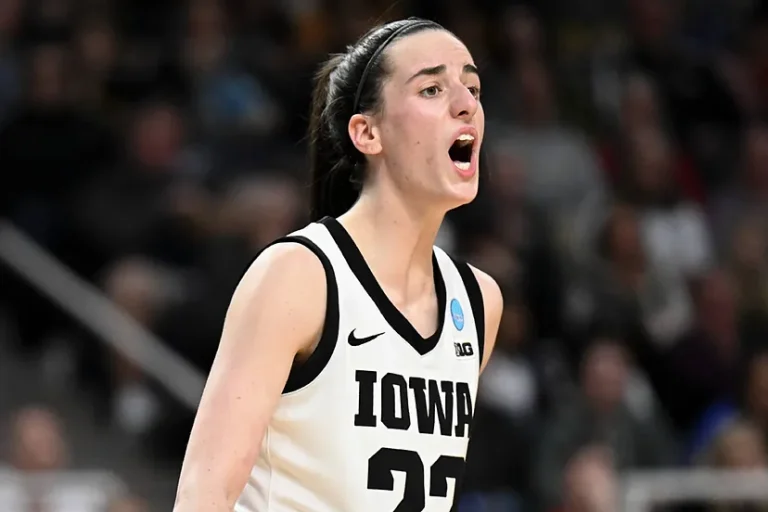
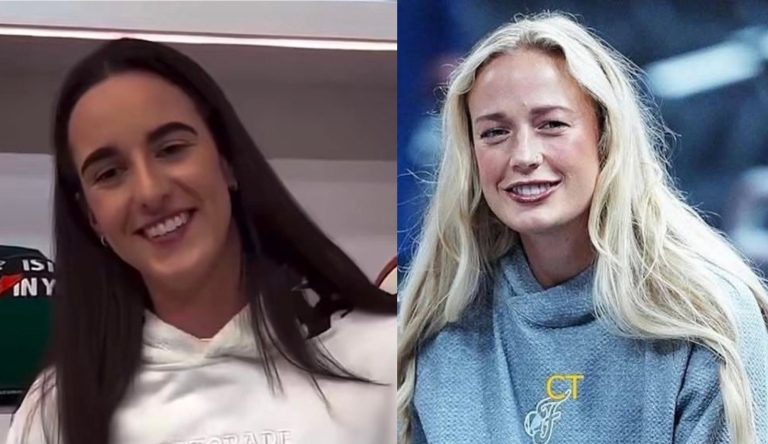
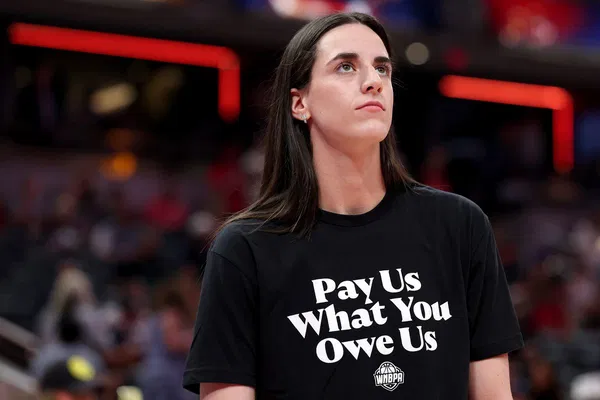
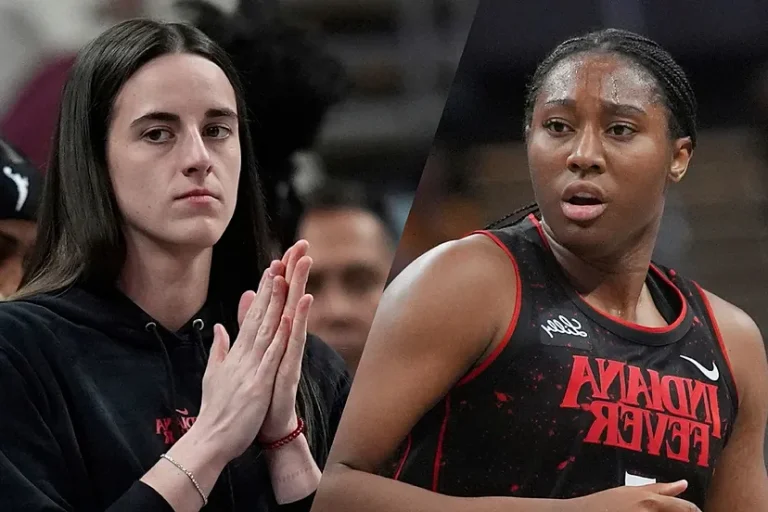
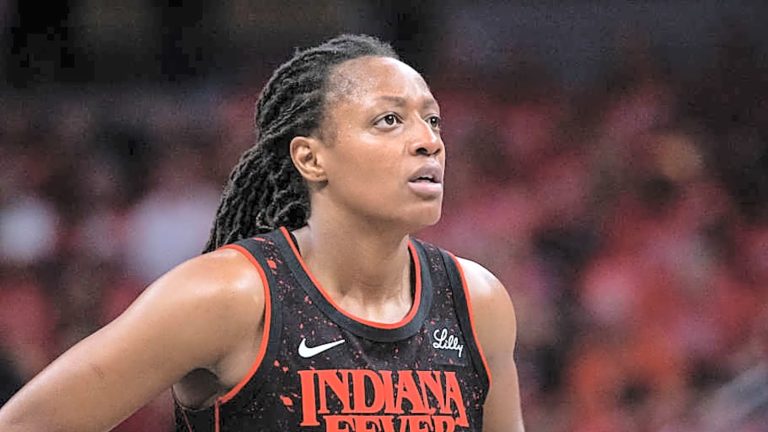
On a sticky summer evening at Gainbridge Fieldhouse, the Indiana Fever were cruising toward an 88-71 victory over the Connecticut Sun, yet the real drama unfolded far beyond the scoreboard. Rising rookie Caitlin Clark had already absorbed an eye-poke and a hard shove, and each time the referees offered nothing stronger than technical fouls. Into this simmering atmosphere strode Sophie Cunningham, a role player ready to make a statement that would echo throughout the WNBA.
The breaking point came in the closing seconds: Sun guard JC Sheldon sprinted for a consolation layup, and Cunningham wrapped her up with a firm, deliberate foul that sent both players tumbling. Fans erupted with “So-phie! So-phie!” chants as officials ejected her, but Cunningham’s post-game interview revealed she had zero regrets. She insisted she was “dialed in” on basketball fundamentals, yet felt compelled to defend a teammate the league had allowed to become an open target for months.
Why wasn’t she afraid of a retaliatory hair-tug or harder shove? First, physical play is baked into Cunningham’s on-court DNA—she has long been the so-called glue player who does the dirty work when others hesitate. Second, the foul was calculated, not reckless: with the outcome settled, she chose a moment that sent a message without risking the game. Third, it was a protest against what she called a systemic failure by officials to shield marquee talent. Finally, team loyalty outweighed personal risk; she was willing to be the “bad guy” if it meant Clark felt protected.
The aftermath was instant and polarizing. Cunningham’s jersey sold out overnight, her social-media following soared, and even Clark offered to cover any fine. While some pundits blasted the foul as unnecessary, many fans hailed it as the long-overdue stand women’s basketball needs. The debate sharpened a larger question: if NBA stars have long enjoyed “enforcers,” why shouldn’t the WNBA’s brightest names receive the same respect and protection?
In the end, Cunningham’s act resonated less as a single hard foul and more as a manifesto on loyalty and leadership. By risking ejection and criticism, she spotlighted a league-wide double standard and fortified her locker room’s chemistry. The night’s most memorable statistic wasn’t on the box score; it was a reminder that sometimes the strongest play is standing up for what’s right—no matter the cost.
About the Author