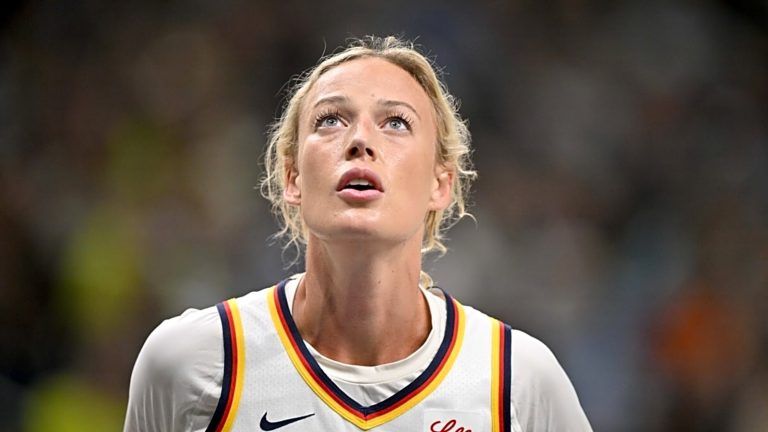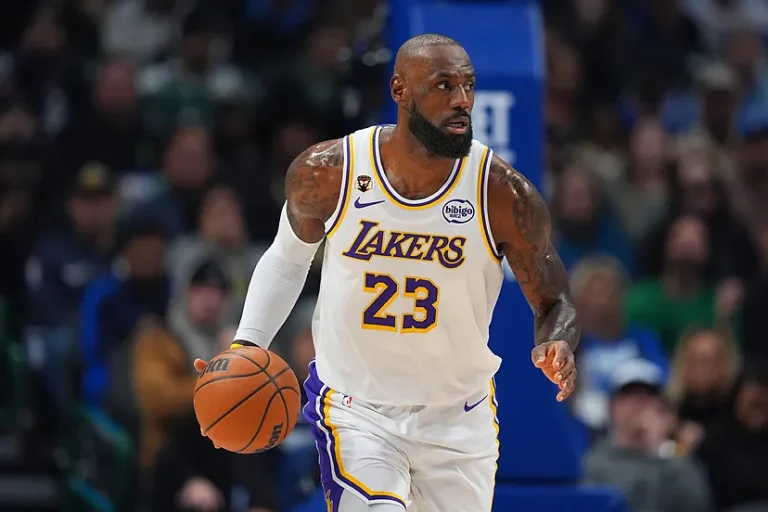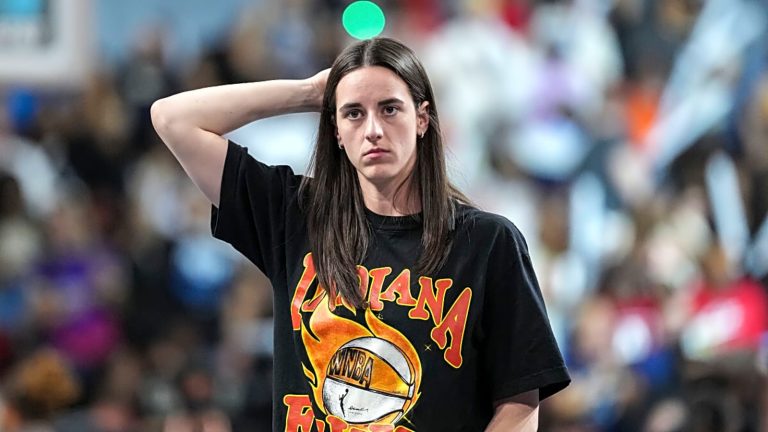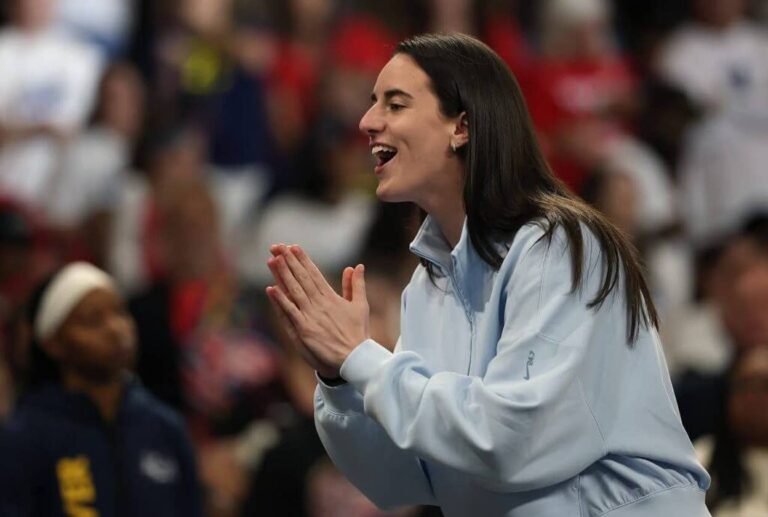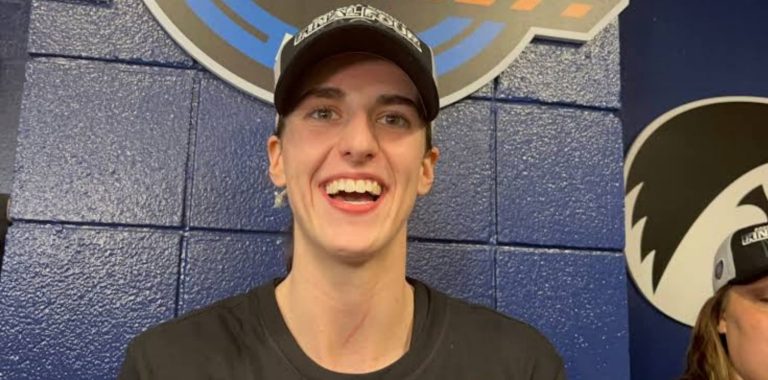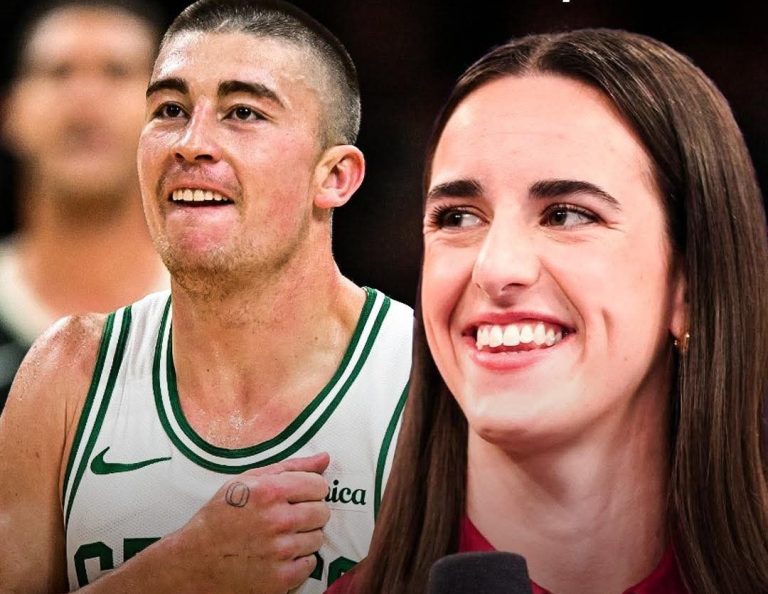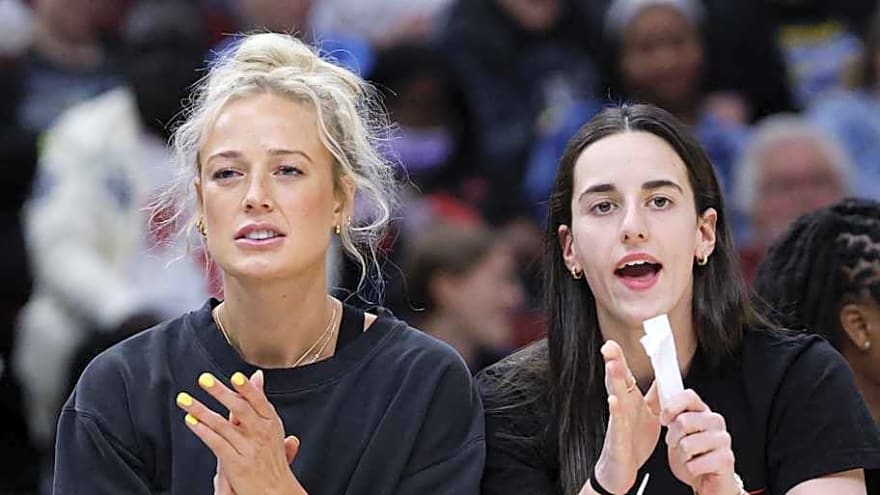
The Caitlin Clark NBC broadcast role fan reaction analysis has become one of the most discussed topics in women’s basketball this week after Sophie Cunningham shared her honest thoughts on Clark’s television debut. Clark appeared as a special contributor on NBC’s pregame coverage of the Los Angeles Lakers vs New York Knicks game at Madison Square Garden on February 1, 2026. The Indiana Fever star stepped into a broadcast role that required her to explain game strategy, discuss league issues, and represent the WNBA on a national platform. Cunningham’s response added personal insight into how players view Clark’s growing influence beyond the court.
Clark’s appearance marked a shift in how WNBA stars are being presented to mainstream sports audiences. Instead of only being seen as elite athletes, they are now taking part in analysis and commentary traditionally dominated by former NBA players and long time media personalities. This development has drawn attention from fans, analysts, and teammates alike, making Cunningham’s reaction especially meaningful.
Main Content Body
During the February 3 episode of her Show Me Something podcast, Sophie Cunningham addressed Clark’s NBC debut and the viral comparison made by Reggie Miller between Clark and Boston Celtics guard Payton Pritchard. Cunningham said Clark handled the broadcast naturally and showed a deep understanding of the game. She described Clark as someone who studies basketball closely and enjoys breaking down plays, which translated well on television. While Cunningham noted that the comparison to Pritchard was probably not the best fit given Clark’s unique skill set and popularity, she made it clear she did not view the comment as disrespectful. Her tone reflected both honesty and support, reinforcing the strong relationship between the two teammates.
This reaction carries weight because Cunningham has previously spoken about Clark’s basketball intelligence in similar terms. Their chemistry on and off the court has been one of the defining storylines of the Indiana Fever season. By publicly praising Clark’s performance, Cunningham confirmed that players see this broadcast role as more than a publicity moment. It represents an extension of Clark’s leadership and influence within the sport. For fans searching for insight into the Caitlin Clark NBC broadcast role fan reaction analysis, Cunningham’s comments provide a rare look at how locker rooms view this growing media presence.
Clark’s NBC appearance also stood out because of the timing. She discussed the ongoing WNBA Collective Bargaining Agreement negotiations, an issue that affects every player in the league. Speaking on a national broadcast placed her in a position of responsibility, where her words reached audiences who may not normally follow WNBA news closely. This crossover influence strengthens Clark’s role as a spokesperson for women’s basketball at a moment when the league is pushing for greater visibility and financial recognition. Her calm and informed delivery showed that she is prepared for that responsibility, which helps explain why fans reacted so positively.
Social media engagement surged after both the broadcast and Cunningham’s podcast comments. Many fans praised Clark’s confidence and communication skills, describing her as composed and insightful. Others focused on the playful language Cunningham used, calling Clark a “dweeb” and “nerd” in a way that highlighted mutual respect and friendship. The fan reaction analysis revealed a pattern of excitement rather than controversy. Supporters viewed Clark’s broadcast role as proof that women’s basketball is entering a new phase of mainstream coverage, where players are not only featured in highlights but trusted as analysts.
Some fans also debated the Reggie Miller comparison itself, arguing that Clark’s influence and style more closely resemble elite shooters like Stephen Curry. While opinions varied, the discussion kept Clark at the center of the conversation, increasing her mainstream visibility. This is an important element of the Caitlin Clark NBC broadcast role fan reaction analysis because it shows how one appearance can spark wider conversations about player identity and legacy. Rather than focusing only on game performance, fans are now evaluating Clark’s ability to shape narratives about the sport.
From a broader perspective, Clark’s debut signals a shift in how networks approach women’s basketball. NBC’s decision to feature her alongside established analysts suggests a growing network partnership with the WNBA that goes beyond simple game coverage. This approach creates opportunities for other players to step into similar roles and helps normalize the presence of women’s voices in national basketball discussions. The Indiana Fever guard did not just appear as a guest. She participated as a contributor with authority, which may influence future broadcasting decisions across sports media.
The implications extend to the league’s long term growth. Increased media impact can lead to stronger fan connections and wider audience reach. When a player like Clark speaks about strategy and labor issues on national television, she bridges the gap between hardcore basketball fans and casual viewers. This crossover influence benefits the WNBA by presenting its athletes as multidimensional professionals. Cunningham’s supportive reaction reinforces that this is a positive direction for the sport rather than a distraction from competition.
Sophie Cunningham’s response confirms that Caitlin Clark’s NBC debut was more than a one time experiment. It represented a meaningful step in Clark’s evolution as both an athlete and a media figure. The Caitlin Clark NBC broadcast role fan reaction analysis shows that fans and teammates alike recognize the importance of this moment for women’s basketball. With Clark scheduled to return to NBC again on March 29, expectations will continue to rise as viewers watch how she develops in this role.
This moment matters because it reflects a larger change in how the WNBA is presented to the public. Players are no longer limited to the court when shaping their influence. They are becoming voices of the game, helping define its future through media and conversation.
Comment Section Prompt
What do you think Clark’s growing broadcast role means for the future of WNBA coverage?
About the Author