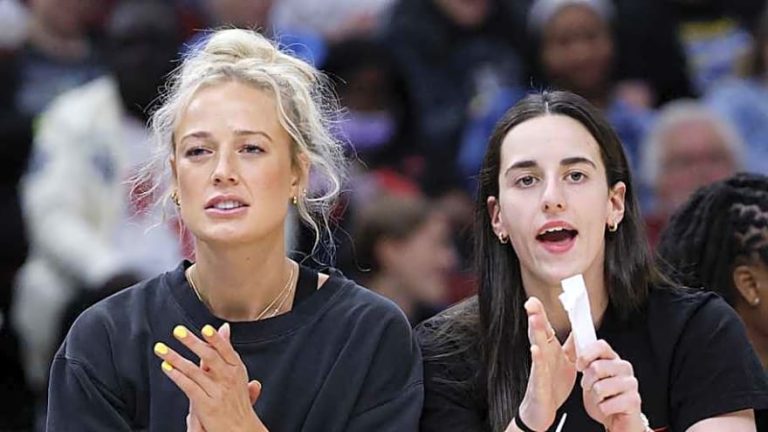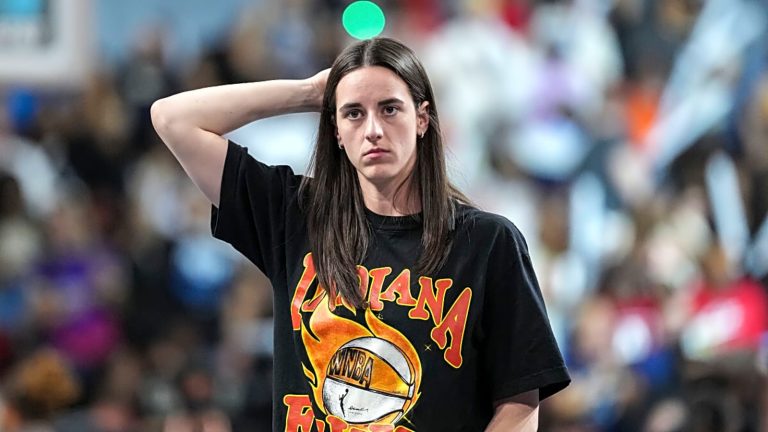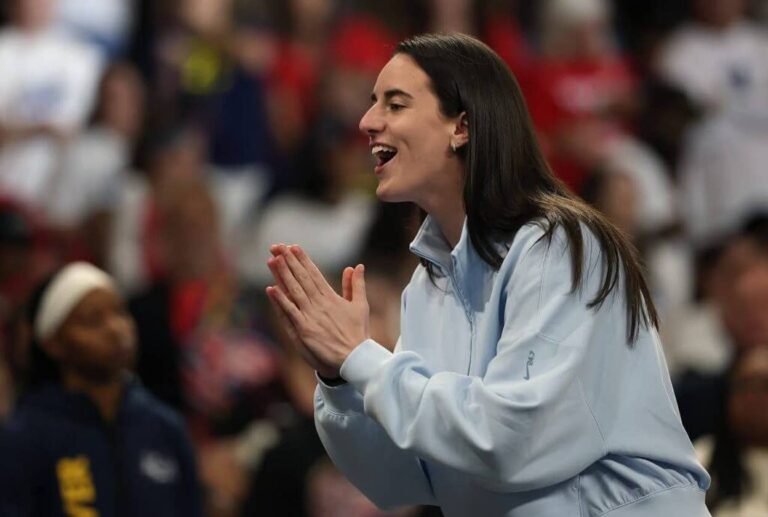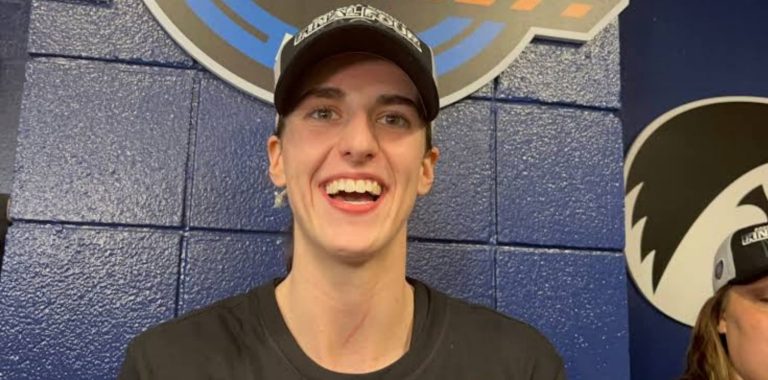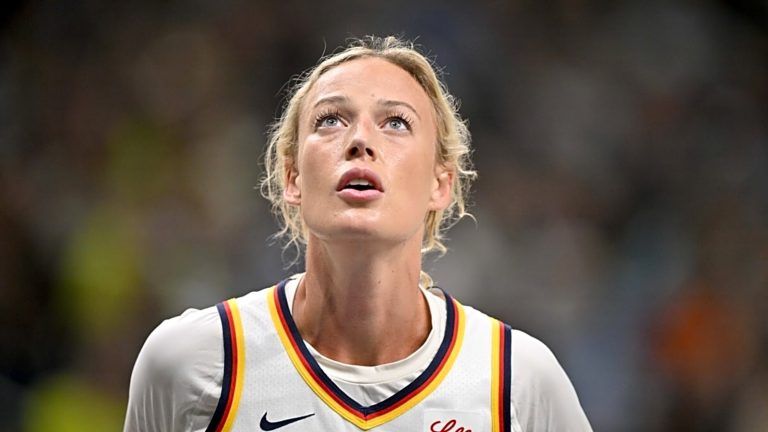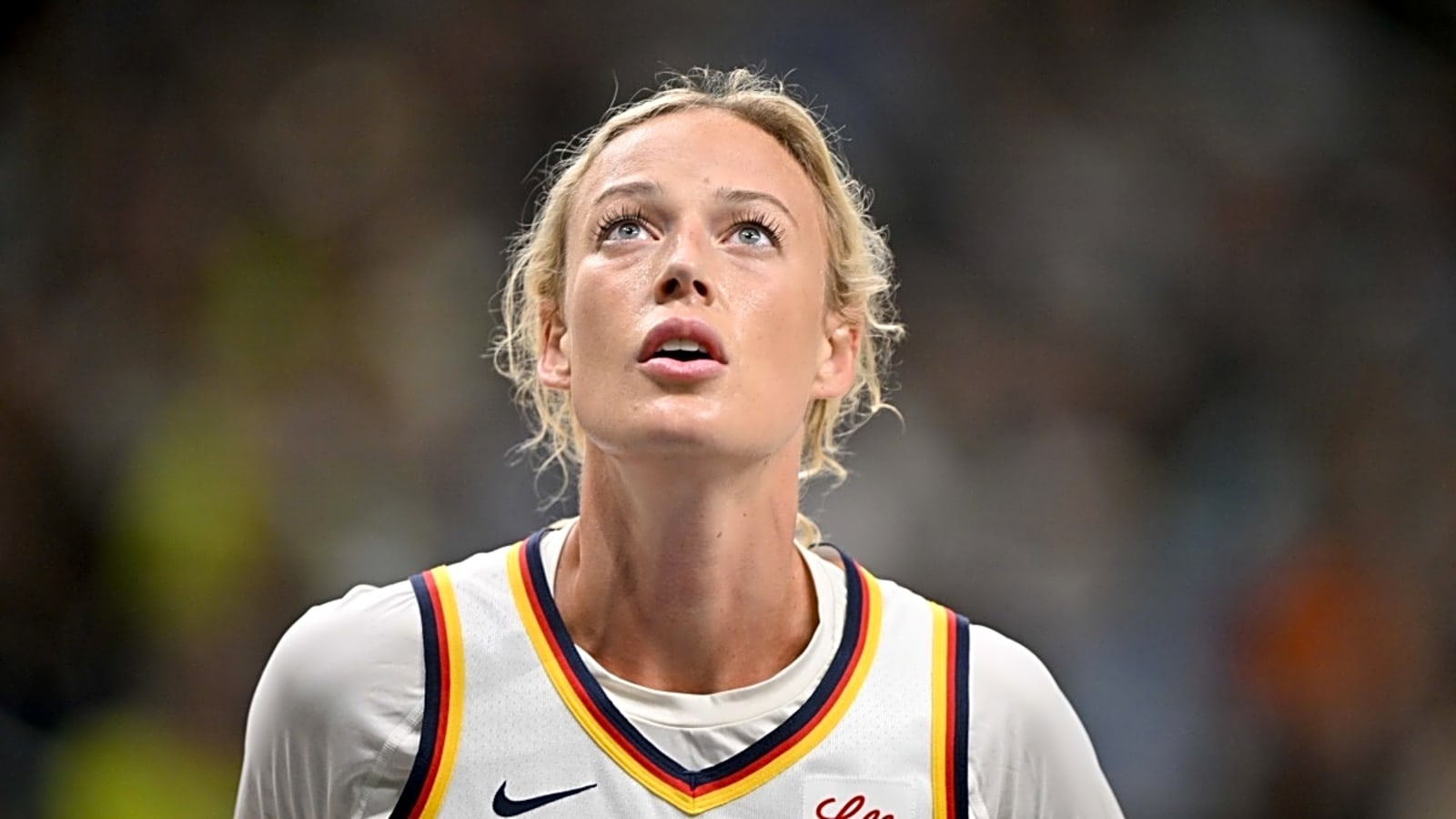
During a February 3 episode of her Show Me Something podcast, Cunningham shared that she is learning the business side of the sport and could envision herself in a leadership role one day. This statement drew attention because she has previously criticized current commissioner Cathy Engelbert and the league office. Her comments now reflect a shift from criticism toward long term involvement in shaping the league’s direction.
The moment matters not only because of what Cunningham said, but because of who she is. As an active player with a strong media presence, her words reached fans quickly and created conversation about player leadership, trust in league management, and the growing connection between athletes and decision making power.
Main Content Body
Cunningham’s background makes her statement especially significant. She has been one of the most vocal players in the WNBA when it comes to expressing opinions about league policies and player treatment. In previous podcast episodes, she questioned how leadership communicates with players and whether decisions truly reflect player interests. That history adds weight to her recent remarks about potentially becoming commissioner herself. Rather than stepping away from the system she once criticized, Cunningham suggested she wants to understand it better and eventually help guide it. This signals a move from public frustration toward long term responsibility and influence.
The media impact of her comments also highlights how much the WNBA’s communication environment has changed. Players now operate as broadcasters, podcasters, and cultural voices in addition to athletes. Cunningham’s podcast is not just entertainment but a platform that shapes public understanding of league issues. Her willingness to discuss leadership openly shows how modern athletes participate in shaping narratives around governance and growth. This crossover influence between player and media role gives her a unique position compared to former generations of WNBA stars who had fewer channels to speak directly to fans.
Fan reaction analysis reveals a divided but engaged audience. Some supporters welcomed the idea of a former player leading the league, arguing that someone with on court experience would understand locker room concerns better than traditional executives. Others questioned whether strong opinions and emotional honesty would translate well into a role that requires diplomacy and compromise. What stands out is that Cunningham’s statement encouraged fans to think about leadership in a new way. Instead of viewing the commissioner position as distant and corporate, it now feels connected to players’ real experiences and challenges.
From a broader league perspective, this moment reflects ongoing tension between growth and governance in women’s basketball. The WNBA has expanded its mainstream visibility through new broadcast partnerships, rising attendance, and stronger sponsorships. At the same time, players continue to push for better representation, communication, and shared decision making. Cunningham’s comments sit directly in the middle of that discussion. They show how players are not only advocating for change but imagining themselves as part of the solution. This kind of leadership crossover influence could reshape how fans and executives think about the future structure of the league.
There is also a cultural influence element tied to Cunningham’s words. The WNBA has become a space where athletes speak openly about business, identity, and power. By saying she could one day be commissioner, Cunningham challenged the idea that players must remain separate from management. Her statement reinforces the belief that women athletes can move from performance to leadership without losing credibility. This shift matters for younger players who see pathways beyond retirement and for fans who want leadership to reflect the voices they watch on the court.
The discussion around Sophie Cunningham WNBA commissioner media impact shows how one statement can influence conversations about leadership, player power, and the future of women’s basketball. While Cunningham remains focused on her career with the Indiana Fever, her remarks highlight a growing trend of athletes preparing for roles beyond competition. Her blend of experience, media presence, and willingness to engage with difficult topics positions her as a symbol of change rather than just a critic of the system.
For the WNBA, this moment reinforces the importance of listening to players and recognizing their potential as future leaders. For fans, it offers a new way to think about who shapes the league’s direction and how those voices are formed. Whether or not Cunningham ever becomes commissioner, her comments have already influenced how leadership is discussed in women’s basketball and why that discussion matters.
Comment Prompt
Do you think former players like Sophie Cunningham should have a bigger role in leading the WNBA in the future?
About the Author