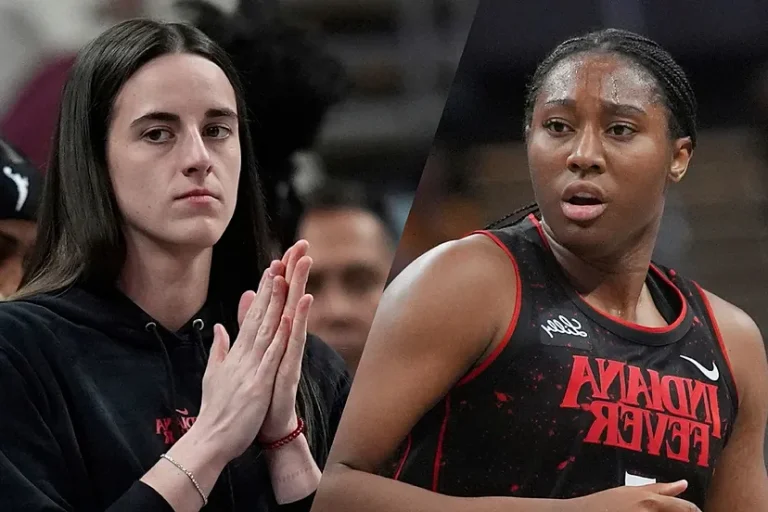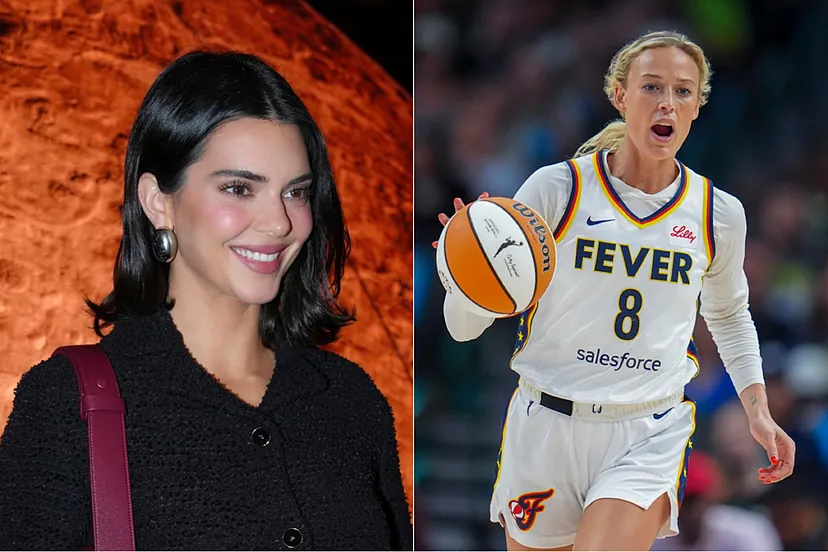
The Sophie Cunningham Kendall Jenner media impact reaction became a trending topic after the Indiana Fever guard responded publicly to Kendall Jenner’s Super Bowl commercial that joked about her past athlete relationships. The exchange drew attention from both sports fans and celebrity followers, creating a crossover moment that highlighted how WNBA players are increasingly part of mainstream entertainment conversations. What began as a lighthearted social media interaction quickly turned into a broader discussion about visibility, humor, and the growing influence of women athletes in pop culture. This moment reflects how modern sports figures now share space with global celebrities in shaping online narratives.
The situation started when Kendall Jenner released a commercial ahead of Super Bowl LX for Fanatics Sportsbook, referencing the long discussed “Kardashian Curse.” In the ad, Jenner humorously suggested that athletes who date her often experience career setbacks, framing the idea as part of a playful storyline tied to betting and sports superstition. The commercial quickly gained attention on social media, where fans and celebrities alike reacted to the joke. As expected with a Super Bowl campaign, the goal was to spark conversation and keep viewers engaged before the championship game. The ad succeeded in doing just that by blending sports culture with celebrity self awareness.
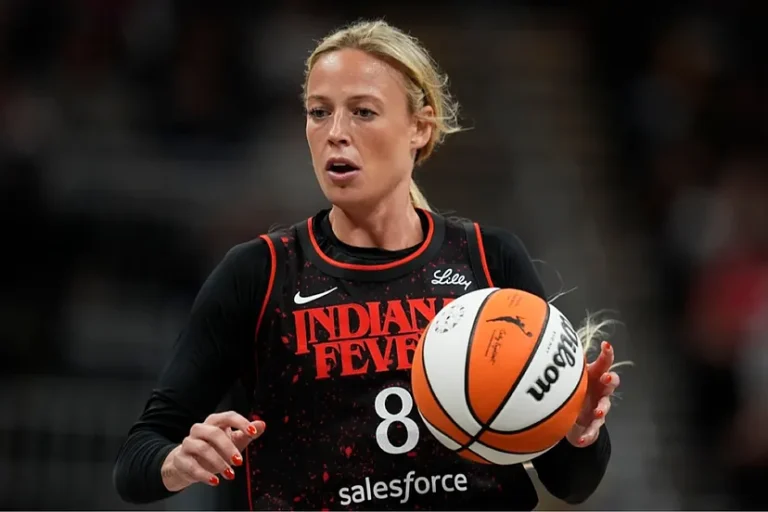
Among those who responded was Sophie Cunningham, a key player for the Indiana Fever. Rather than criticizing the message, Cunningham left a positive and supportive comment praising the humor and creativity of the commercial. Her reaction stood out because it came from a professional athlete who understood both the sports side of the joke and the entertainment value of the ad. By engaging publicly, Cunningham added a layer of authenticity to the conversation and showed how athletes can participate in pop culture moments without controversy. Her response also demonstrated confidence and a sense of humor that resonated with fans who follow both the WNBA and celebrity news.
This interaction quickly expanded into a fan reaction analysis across social platforms. Supporters of the Indiana Fever shared Cunningham’s comment as a sign of her personality and relatability, while celebrity followers viewed it as a bridge between sports and fashion worlds. The exchange highlighted how modern athletes are no longer confined to game statistics or team results. They are now part of broader cultural discussions that include advertising, branding, and entertainment. For the WNBA in particular, moments like this contribute to mainstream visibility and reinforce the idea that its players have voices that matter beyond the court.
From a media impact perspective, the timing of this exchange was significant. Super Bowl week is one of the most watched and discussed periods in global sports media, and any related content naturally receives amplified attention. Cunningham’s reaction placed an Indiana Fever player directly into that spotlight. This crossover influence benefits both the athlete and the league by associating WNBA personalities with high profile events traditionally dominated by male sports narratives. It also shows how brands and celebrities can involve women athletes in conversations that reach massive audiences.
Looking ahead, this type of interaction may become more common as the WNBA continues to grow in popularity and cultural relevance. Players like Sophie Cunningham are increasingly recognized not just for their on court performance but for their ability to connect with fans through social media and public commentary. The line between sports reporting and entertainment news continues to blur, creating opportunities for athletes to shape how their stories are told. In this case, a simple supportive comment turned into a symbol of how women’s basketball is gaining cultural influence within mainstream sports coverage.
The Sophie Cunningham Kendall Jenner media impact reaction shows how a single social media exchange can reflect larger shifts in sports and celebrity culture. Cunningham’s response demonstrated confidence, humor, and an understanding of how athletes now participate in public conversations beyond competition. For the Indiana Fever and the WNBA, moments like this strengthen mainstream visibility and reinforce the league’s growing presence in entertainment driven sports media. As crossover moments continue to emerge, fans can expect athletes to play a more active role in shaping how sports stories intersect with popular culture.
Comment Prompt
What do you think this exchange says about the growing influence of WNBA players in mainstream media conversations?
About the Author