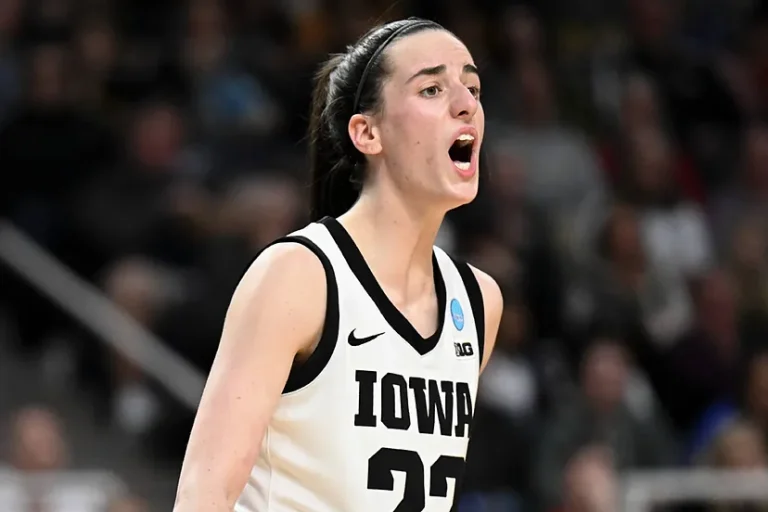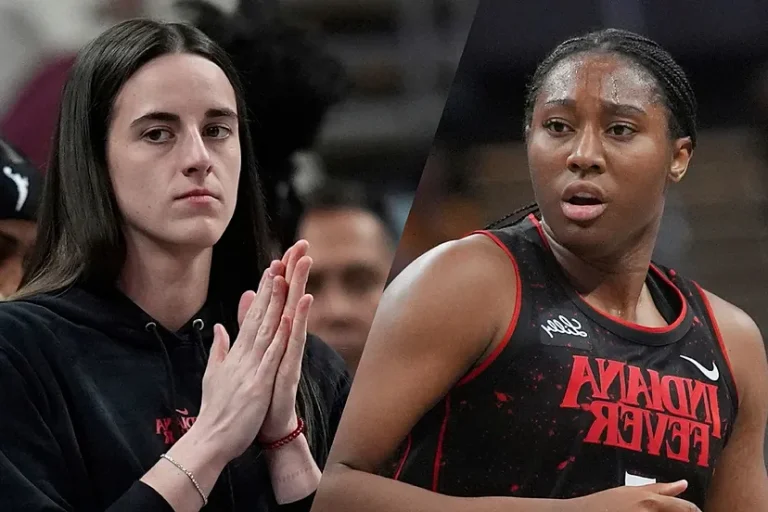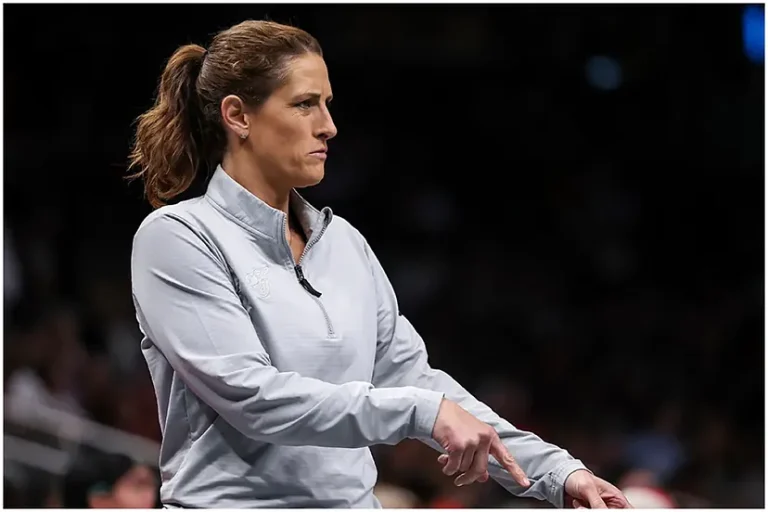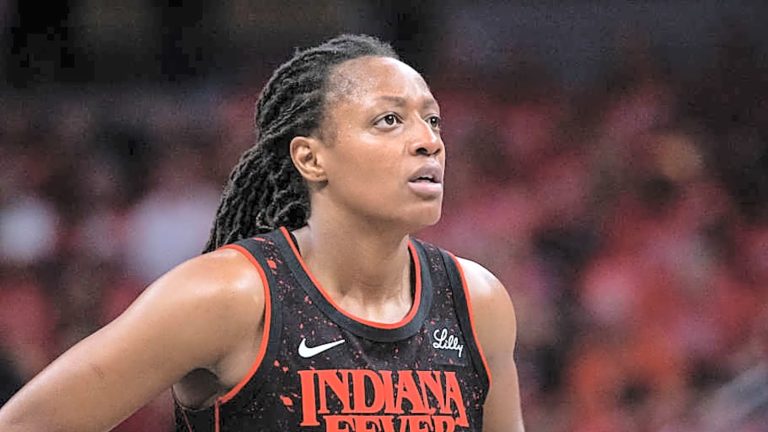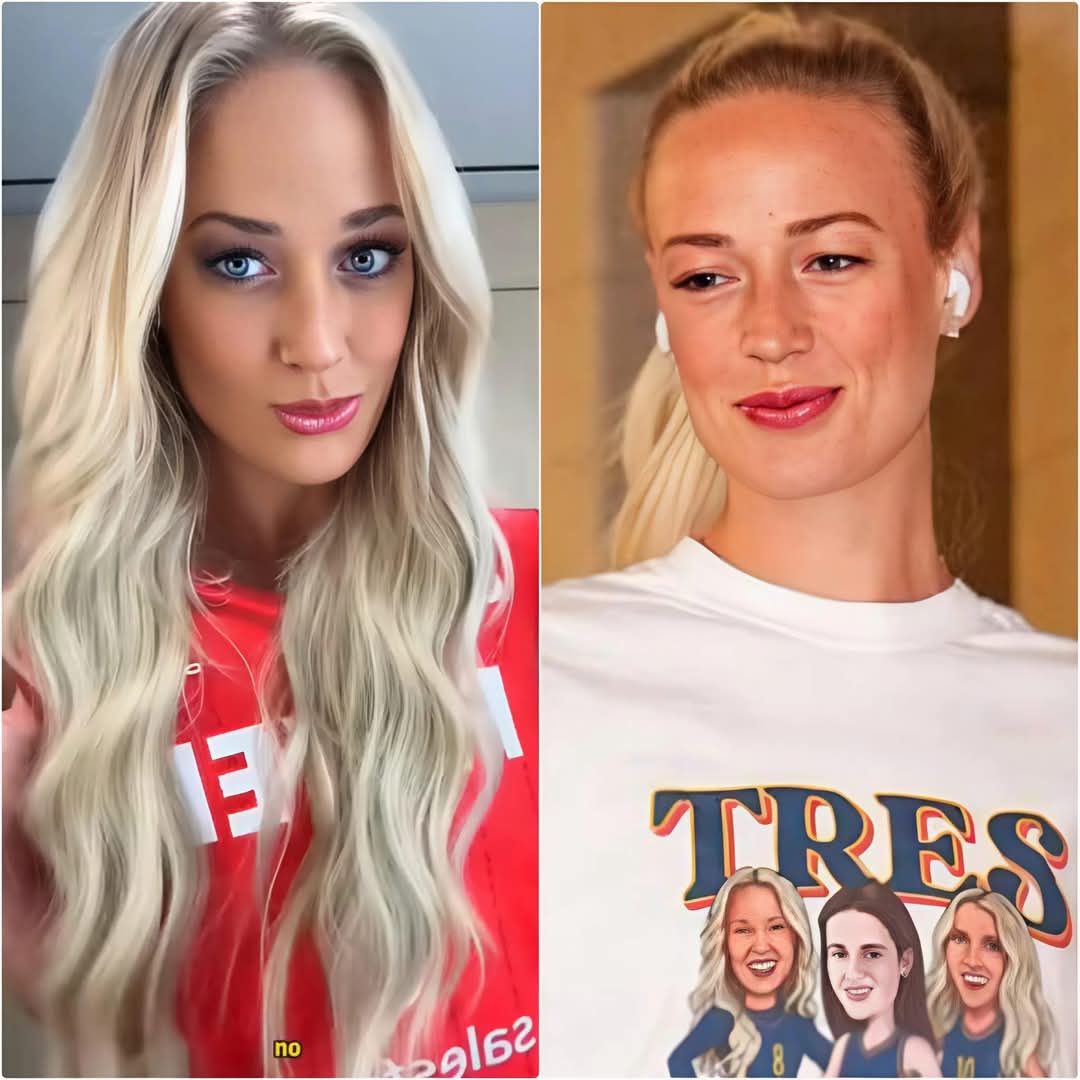
In a bold and controversial statement, WNBA star Sophie Cunningham has drawn national attention after declaring she would never play with the Pride-themed basketball honoring the LGBTQ+ community. Her stance, described by many as “fearless” yet by others as “disrespectful,” has reignited one of the most polarizing discussions in women’s sports today.
“Even if it made me more famous or got me more sponsorships, I would never accept it,” Cunningham said firmly — a statement that has since gone viral across social media platforms.
The WNBA has long been recognized as one of the most inclusive professional leagues in the world, actively supporting Pride Month and LGBTQ+ representation in sports. So when Cunningham, a respected veteran and known competitor, refused to participate in what many saw as a unifying gesture, it sent shockwaves through fans and players alike.
Supporters argue that Sophie’s decision reflects the right to personal belief — a freedom that should be respected in any professional environment. Critics, however, say her stance undermines inclusivity and the progress the WNBA has made over the years.
The reaction was immediate and intense. Social media platforms lit up with divided opinions — from those applauding her courage to those expressing disappointment. Some fans even called for disciplinary action, while others urged understanding and dialogue rather than outrage.
One trending comment on X (formerly Twitter) read, “You don’t have to agree with everything, but refusing to stand for unity sends the wrong message.” Another fan countered, “She’s being authentic. Not everyone should be forced into symbolism.”
Cunningham’s statement has reignited a broader conversation: Where should the line be drawn between personal beliefs and public representation in sports?
While sports are often seen as a platform for unity, players are increasingly facing pressure to align with political and social movements. This controversy highlights the tension between authenticity and expectation — and the difficulty of finding balance in a world that demands both.
The WNBA has not yet issued an official response, but insiders believe the organization will stand by its inclusive traditions while avoiding unnecessary escalation. Still, this moment could set a precedent for how future players navigate similar situations — where personal convictions meet public causes.
For Cunningham, the road ahead may be challenging. But one thing is certain: she’s not backing down, and her name has now become synonymous with one of the most talked-about moments in recent WNBA history.
Join the Conversation
What do you think about Sophie Cunningham’s decision? Should athletes be required to represent social causes, or should personal beliefs come first?
Share your thoughts below, we’d love to hear from fans on both sides.
About the Author