The silence surrounding the WNBA’s next Collective Bargaining Agreement has grown louder with every passing week. Players have waited patiently while league revenues, television exposure, and attendance continue to trend upward. That patience began to crack when the WNBA Players Association authorized its leadership to consider a strike if negotiations fail. Although no immediate walkout has been announced, the message was unmistakable. Players are no longer willing to accept a salary structure that feels frozen in a different era.
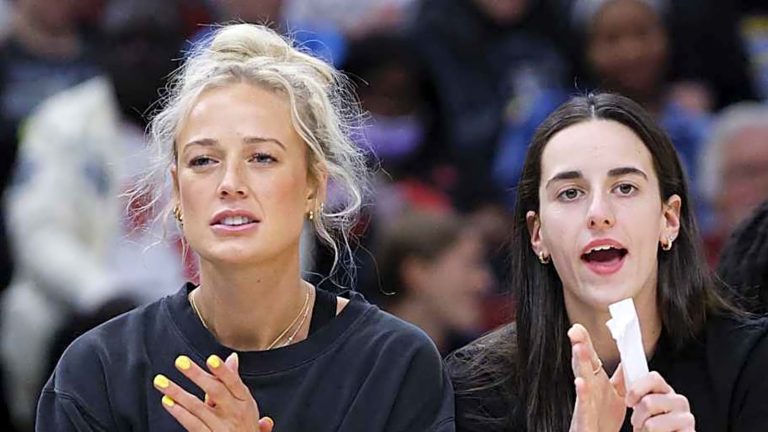
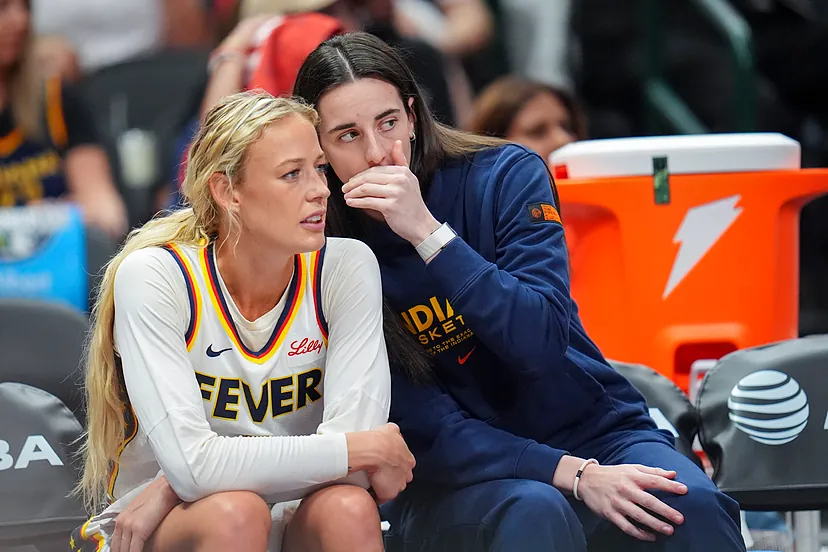
At the center of this renewed attention is Sophie Cunningham, whose profile has skyrocketed well beyond expectations. Known early on for her gritty on court presence alongside Indiana Fever rookie Caitlin Clark, Cunningham has since become one of the most talked about athletes in the country. Her visibility exploded in 2025, placing her among the most searched athletes nationwide. Despite that momentum, her paycheck still reflects the league’s modest salary ceiling rather than her market reach.
Cunningham’s blunt honesty struck a nerve during a viral interview when she was asked a simple question about WNBA pay. Her response was short, direct, and impossible to ignore. She admitted that players are barely getting by, even as the league enjoys historic attention. That moment resonated with fans who assumed professional athletes at that level were comfortably compensated. Instead, it pulled back the curtain on a reality many casual viewers had never considered.
The conversation took an even sharper turn when the topic shifted to alternative income streams. While the question itself was delivered jokingly, the underlying issue was serious. For a player with Cunningham’s influence, the gap between what she generates and what the league pays is glaring. Her ability to laugh it off did not hide the deeper truth that WNBA salaries alone are still insufficient for long term financial security.
As negotiations drag on, more players are exploring opportunities outside the traditional WNBA structure. New leagues and international ventures are offering something the WNBA has struggled to match. Higher base salaries, shorter seasons, and even ownership equity have become powerful incentives. These options are no longer side hustles but legitimate alternatives that challenge the league’s leverage.
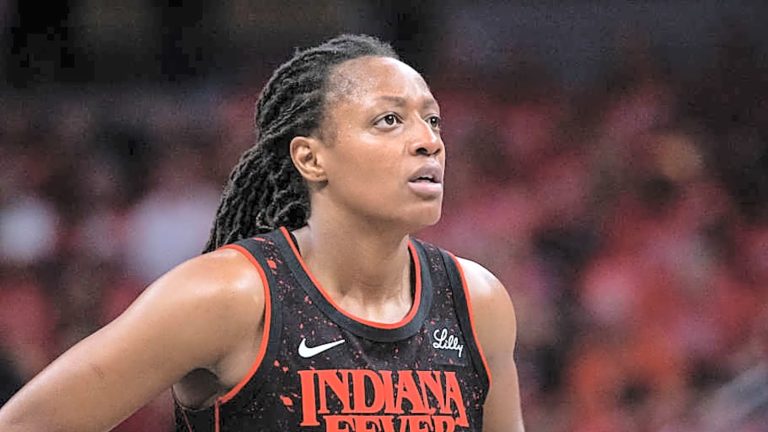
Sophie Cunningham’s commitment to emerging leagues signals a broader shift that the WNBA cannot ignore. When elite players begin securing multi million dollar deals elsewhere, it weakens the league’s negotiating position. Stars like Kelsey Mitchell and Nneka Ogwumike have also embraced opportunities beyond the WNBA framework. Each departure or partial commitment sends a message that patience is running out.
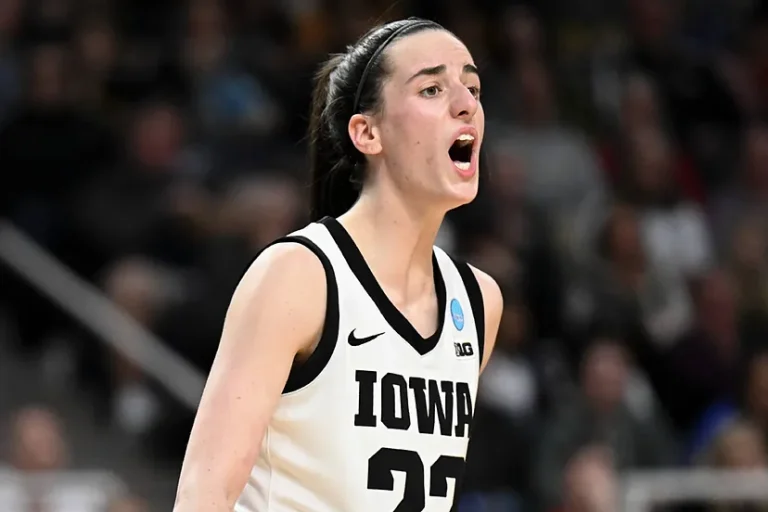
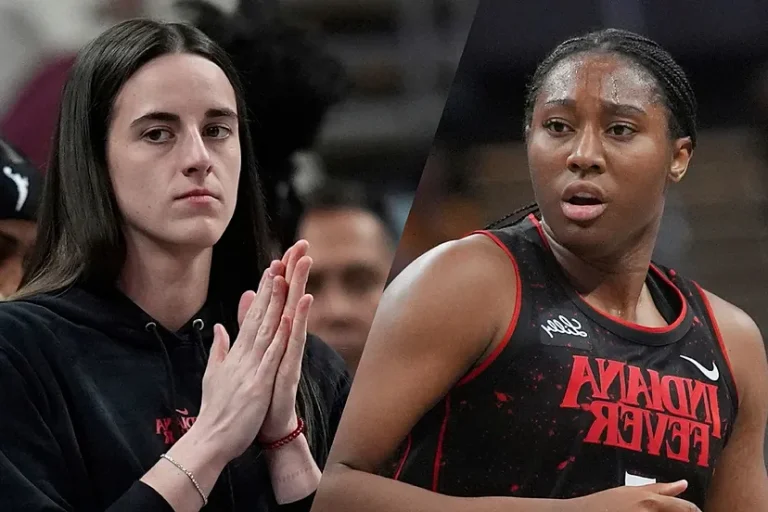
Caitlin Clark’s presence has further amplified the moment. As one of the most marketable athletes in women’s sports history, her voice carries enormous weight. When players of her stature acknowledge the significance of this period, it underscores how pivotal the next CBA truly is. The league is no longer negotiating in obscurity. Every move is being watched, discussed, and compared to alternatives.
The WNBA has made undeniable progress over the years, but the current debate suggests growth alone is not enough. Compensation must evolve alongside popularity to maintain credibility and retain talent. Sophie Cunningham’s comments did not create the problem, but they crystallized it in a way fans could not ignore. Whether the league responds with meaningful change or continued delays may determine its competitive future.
Comment Section Prompt
Do you think the WNBA is doing enough to match player pay with the league’s growing popularity, or is change coming too late? Share your thoughts below and join the conversation.
About the Author