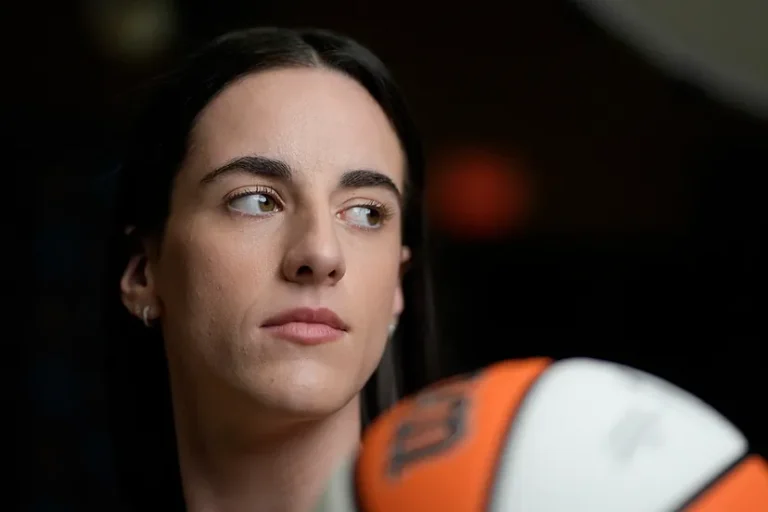
The comparison between Curry and Clark goes beyond highlights and box scores. It exposes the massive financial gap between the NBA and the WNBA, even when talent, influence, and popularity are undeniable. Curry is one of the highest paid athletes in sports history. Clark, despite being one of the most marketable athletes in women’s basketball, earns a fraction of that amount from her league salary. The contrast has sparked debate among fans, analysts, and players alike.
Stephen Curry has long been the face of modern NBA basketball. Since being drafted by the Golden State Warriors in 2009, he has built a legacy that includes multiple championships, MVP awards, and a global fan base. For the 2025 season, Curry signed a one year contract worth approximately sixty two point six million dollars. That deal made him the first NBA player ever to earn more than sixty million dollars in a single season, setting yet another financial record.
Curry’s earnings do not stop with his NBA salary. Over the course of his career, his on court earnings alone have surpassed three hundred million dollars. Off the court, Curry brings in an estimated thirty to forty million dollars annually through endorsements. Major brands such as Under Armour, Nike, and various global companies continue to invest heavily in his image. His estimated net worth now stands at around two hundred forty million dollars, reflecting both his dominance and his longevity at the top of the sport.
Caitlin Clark’s rise has been just as remarkable, though the financial reality is far different. After being selected first overall in the 2024 WNBA Draft by the Indiana Fever, Clark immediately transformed the league’s visibility. In her rookie season, she earned Rookie of the Year honors, secured an All WNBA selection, and became a must watch attraction for fans across the country. Television ratings surged, arenas filled up, and merchandise sales skyrocketed.
Despite her massive influence, Clark’s WNBA salary for the 2025 season sits at roughly seventy eight thousand dollars as part of her four year rookie contract valued at just over three hundred thirty eight thousand dollars. This figure often shocks casual fans who assume star players earn millions from league contracts. While her WNBA paycheck remains modest, Clark has leveraged her popularity to build a powerful brand off the court.
Clark’s endorsement portfolio is one of the strongest in women’s sports. She signed an eight year deal with Nike reportedly worth twenty eight million dollars, making it one of the largest shoe deals ever for a female basketball player. She also partners with major brands including Gatorade, Bose, Buick, Wilson, State Farm, Hy Vee, and Panini. During her college years alone, her NIL deals generated an estimated three point four million dollars, redefining what was possible for female athletes at the collegiate level.
As a result, Clark’s net worth is now estimated to be close to ten million dollars and continues to grow rapidly. However, the reality remains that her league salary does not reflect her true value to the sport. Fans often point out that Curry earns more in one game than Clark does in an entire season from her WNBA contract. That comparison fuels ongoing discussions about revenue sharing, media rights, and long term sustainability in women’s basketball.
The Curry and Clark comparison highlights a broader issue rather than individual success. Both players have elevated their leagues, inspired a new generation of shooters, and reshaped basketball culture. Yet the financial structures surrounding their leagues remain worlds apart. While the NBA benefits from decades of massive television deals and global reach, the WNBA is still fighting for equitable revenue growth despite its rising popularity.
What makes the comparison so compelling is that Clark is doing for the WNBA what Curry did for the NBA years ago. She draws defensive attention from half court, forces teams to rethink strategy, and attracts new fans who may not have previously followed women’s basketball. The difference is that Curry entered a system already built to reward its stars financially, while Clark is helping build that system almost from scratch.
As the WNBA continues to grow, many believe Clark’s impact could accelerate change in future collective bargaining agreements. Increased media exposure, higher attendance, and stronger sponsorship deals could eventually lead to better salaries for players across the league. Until then, the Curry and Clark comparison remains a powerful reminder of how far women’s basketball has come and how far it still needs to go.
Comment Section Prompt
Do you think Caitlin Clark’s impact will finally force major salary changes in the WNBA, or will the pay gap remain for years to come? Share your thoughts below.
About the Author