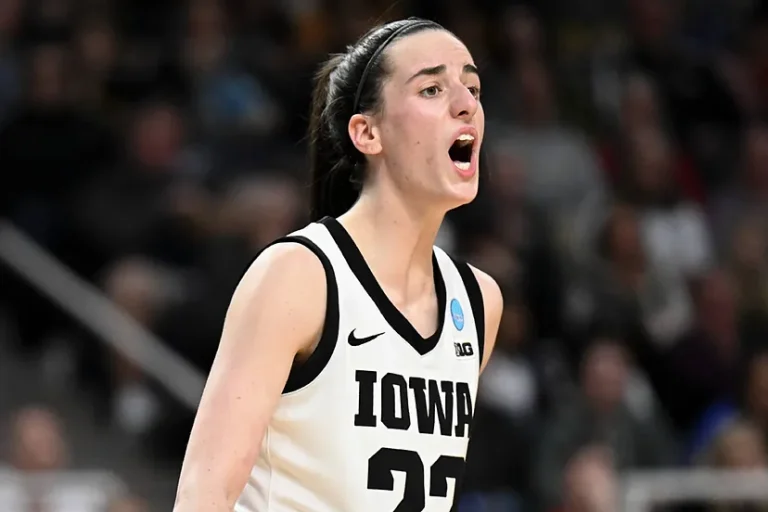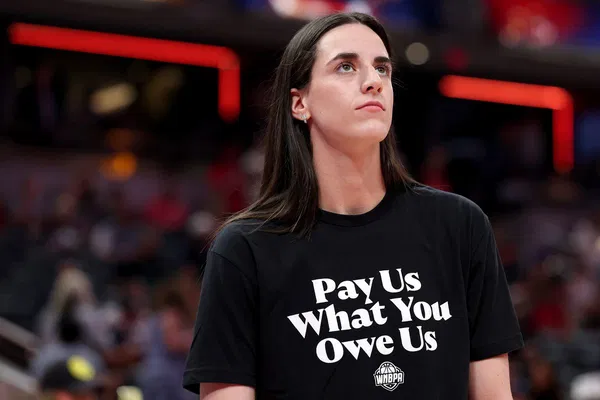
The WNBA CBA frozen negotiations are causing alarm across the league as the 2026 season hangs in the balance. Talks have stalled completely, with no new proposals or responses after the January 9 deadline. At the center of the debate is the huge $700 million cumulative revenue gap, player demands for roughly 30% of gross revenue, and the owners’ insistence on more than 50% of net revenue. The situation has sparked concerns about Caitlin Clark’s unique draw and whether the league can maintain its current growth without her influence.
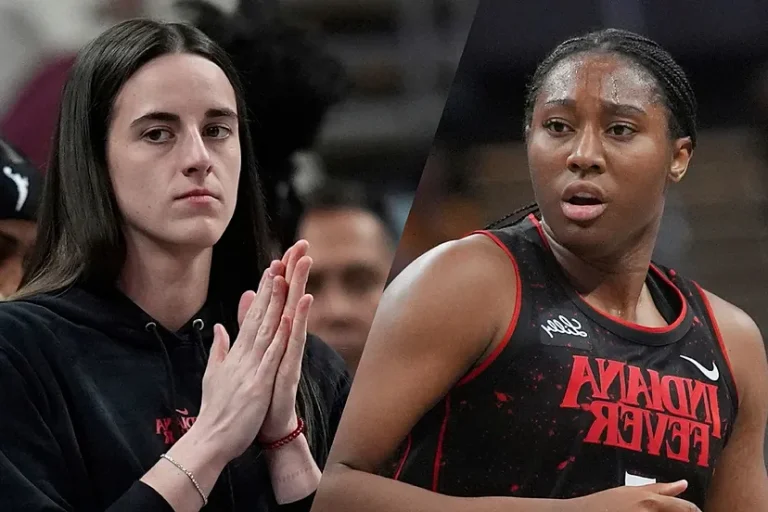
The gap between player and owner proposals is widening. Players argue for significant salary increases based on projected league revenue growth, while owners remain cautious, citing sustainability issues. Caitlin Clark’s presence on the Indiana Fever has created a striking viewership and attendance surge, with Fever games averaging three times higher than non-Fever matchups. This spike highlights how much the league’s popularity currently relies on one superstar, fueling fears of a post-Clark “bubble” once her peak attention fades.
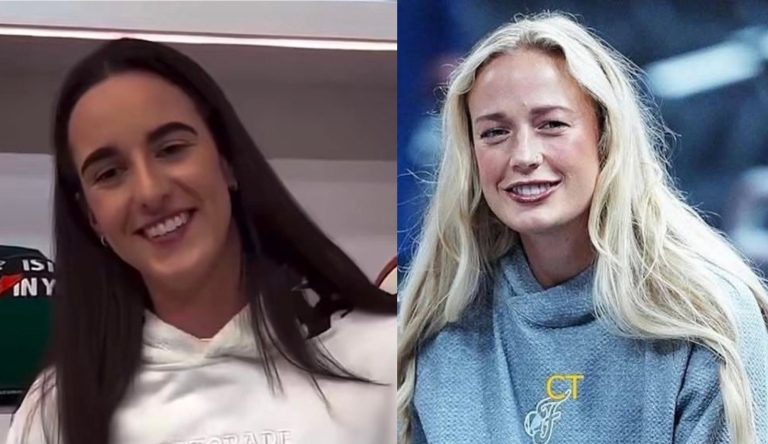
Media coverage and public comments have played a notable role in shaping perceptions. Some prominent voices in WNBA media and ownership circles have downplayed Clark’s influence or alienated her fanbase, inadvertently affecting league growth. Examples include remarks from Elle Duncan, Sheryl Swoopes, Sheila Johnson, Renee Montgomery, and coverage incidents that have stirred fan backlash. Analysts argue this could risk losing new viewers brought in specifically by Clark’s star power if the league does not actively embrace her impact.
Experts suggest several steps to address the impasse. Shortening the CBA from five to three years could provide more data to adjust revenue-sharing fairly. Players reducing their ask from 30% to around 20% of gross revenue would create a potential $217 million compromise while maintaining attractive salaries of approximately $700,000 on average. Perhaps most importantly, the league and media need to fully embrace Caitlin Clark’s crossover influence, using her media visibility and fan engagement as a blueprint for sustainable growth, similar to how NBC has integrated Clark into broader coverage.
Failure to act could have serious consequences. A lost or shortened season may undermine momentum, discourage sponsors, and harm players, teams, and fans alike. By bridging the negotiation gap and strategically highlighting Clark’s fanbase, the league has a chance to stabilize revenue, boost long-term engagement, and grow WNBA visibility. While tensions remain, the path forward is clear: compromise, media inclusion, and leveraging the star power that has already proven effective.
As WNBA stakeholders weigh their options, fans and analysts are closely monitoring every move. The league’s ability to balance financial sustainability with player demands—and harness Caitlin Clark’s cultural influence—may define its growth trajectory for the next decade. With so much at stake, the coming weeks could determine whether the 2026 season reaches its full potential or faces significant setbacks.
Comment Section Prompt
What do you think this freeze in WNBA negotiations means for Caitlin Clark’s influence and the 2026 season?
About the Author