The WNBA CBA negotiations collapse stems from ongoing disagreements between the league and the Women’s National Basketball Players Association over the terms of a new collective bargaining agreement. Negotiations have been ongoing with the goal of setting financial and structural conditions for the 2026 season and beyond. Despite continued discussions, both sides failed to finalize an agreement by the stated deadline. According to reporting from ESPN, there was no extension granted, although both parties are expected to continue negotiating in good faith.
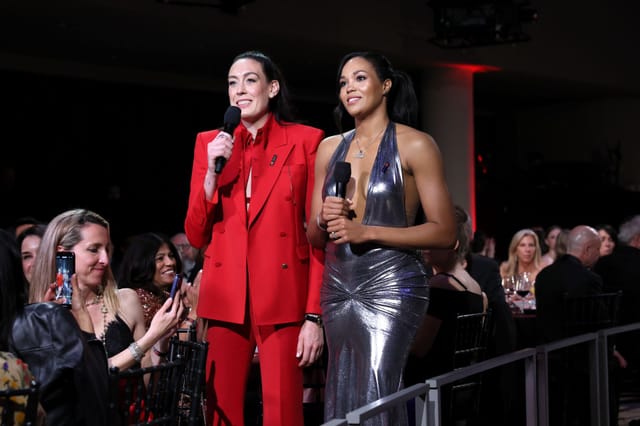
Breanna Stewart, a New York Liberty star and vice president of the WNBPA, confirmed that the deadline would pass without a new agreement. Her comments were intended to clarify the situation rather than escalate tensions, but they sparked immediate reaction from fans. As news of the WNBA CBA negotiations collapse spread, frustration quickly turned toward player leadership. Some fans questioned whether current union leaders were handling negotiations effectively, reflecting the anxiety many feel about the future of the league.
Online reactions intensified as fans debated the possibility of a lockout or delayed season. The WNBA CBA negotiations collapse raised fears that the 2026 season could be affected if no agreement is reached in time. Expansion teams and new markets became a focal point of concern, as any disruption could impact momentum the league has built in recent years. While some fans expressed confidence that a deal would eventually be reached, others worried that prolonged negotiations could damage trust and stability.
From the players association perspective, the stalled talks are tied to broader issues of fairness and revenue sharing. WNBPA executive director Terri Jackson stated that players recognize the league’s growth and believe it should translate into improved compensation and conditions. According to Jackson, the current proposal on the table does not reflect the value players bring to the league. This stance explains why the WNBA CBA negotiations collapse is not simply about deadlines, but about long term equity and sustainability.
The implications of the stalled negotiations go beyond the immediate contract terms. The WNBA has experienced increased visibility, attendance, and media attention, making labor stability more important than ever. A prolonged dispute could risk alienating fans and sponsors at a time when the league is expanding its footprint. At the same time, rushing into a deal that players view as unfavorable could create deeper issues down the line. The WNBA CBA negotiations collapse highlights the delicate balance between growth and financial structure that the league must navigate.
Comment Prompt
Do you think the WNBA and players association will reach a deal in time to protect the 2026 season?
About the Author



I think the WNBA Leadership has totally missed the players. But the WNBAPA does not seem to think about helping the WNBA Leadership. The WNBAPA is extra hard at keeping the CBA extending. It’s like they have a more important to extend the discussion of the CBA.