The current WNBA collective bargaining agreement was designed during a different stage of the league’s development, before recent surges in viewership and sponsorship interest. Players argue that the economic model no longer reflects the true value they bring to the league, particularly as media rights deals and team valuations continue to rise. The WNBA players union has emphasized that revenue growth should translate into better salaries, improved benefits, and stronger protections for player health and career longevity. From the league’s perspective, maintaining financial balance across all teams remains a key concern, especially as expansion and long term sustainability remain priorities.
The release of the WNBA schedule for 2026 has added urgency to the WNBA CBA negotiations. Scheduling decisions impact player workload, travel demands, and recovery time, all of which are major points of emphasis for the players union. Back to back games, cross country travel, and condensed stretches of play have been highlighted as issues that need to be addressed in any new agreement. League officials have acknowledged these concerns publicly, signaling that schedule structure is now part of broader conversations about player welfare and league professionalism.
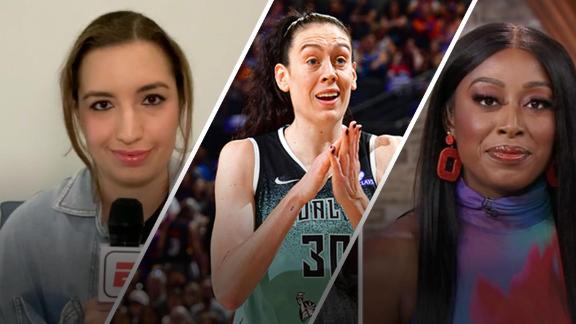
Media voices like Alexa Philippou and former player Chiney Ogwumike have helped frame the negotiations for fans by explaining both the progress and the unresolved gaps. Their discussions point to a negotiation process that is active but complex, with neither side rushing toward a premature resolution. While there is no official indication of a work stoppage, the tone around the talks suggests that players are prepared to push for meaningful changes rather than cosmetic adjustments. This reflects a broader shift in women’s professional sports, where athletes are increasingly organized and informed during labor discussions.
One of the central themes in the WNBA labor talks is revenue sharing. Players want clearer transparency around league earnings and a system that allows them to benefit directly from growth. This includes not only base salaries but also marketing opportunities, licensing, and postseason incentives. The league, meanwhile, must balance these demands with the financial realities of franchises that operate in very different markets. Any new agreement will likely aim to create a more flexible structure that grows alongside league revenue rather than remaining fixed.
Another key factor influencing the WNBA CBA negotiations is the league’s long term vision. Expansion discussions, international interest, and deeper partnerships with broadcasters all depend on labor stability. Investors and sponsors want confidence that the league can grow without disruption. That puts pressure on both sides to find common ground, even if negotiations take time. The current stage of talks suggests that while differences remain, there is mutual recognition that a strong agreement benefits everyone involved.
Comment Section Prompt
What do you think the WNBA should prioritize most in the next collective bargaining agreement?
About the Author



Slow down expansion and use a greater portion of improved revenues to raise player salaries and buy out whatever remains of the incompetent commissioner’s salary