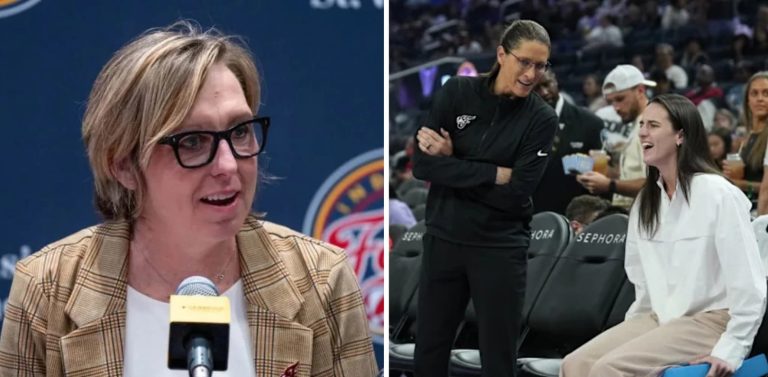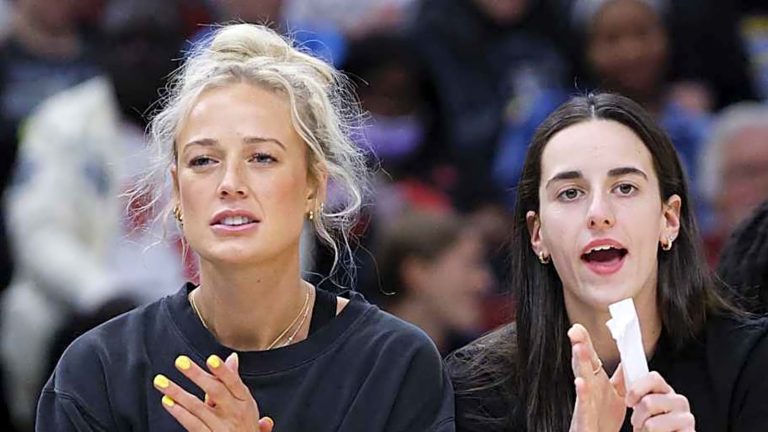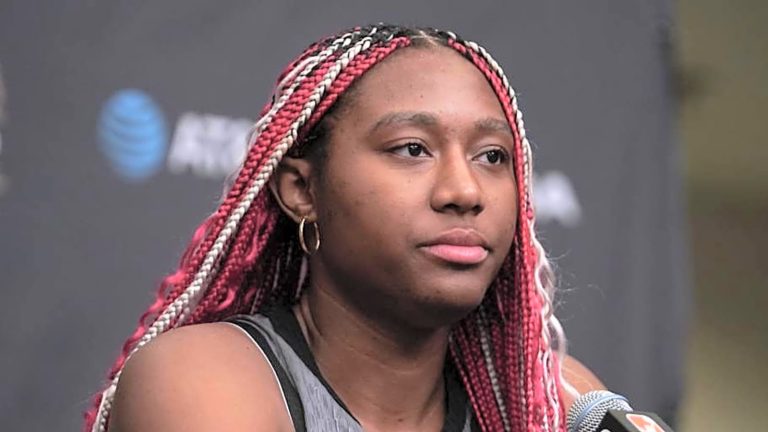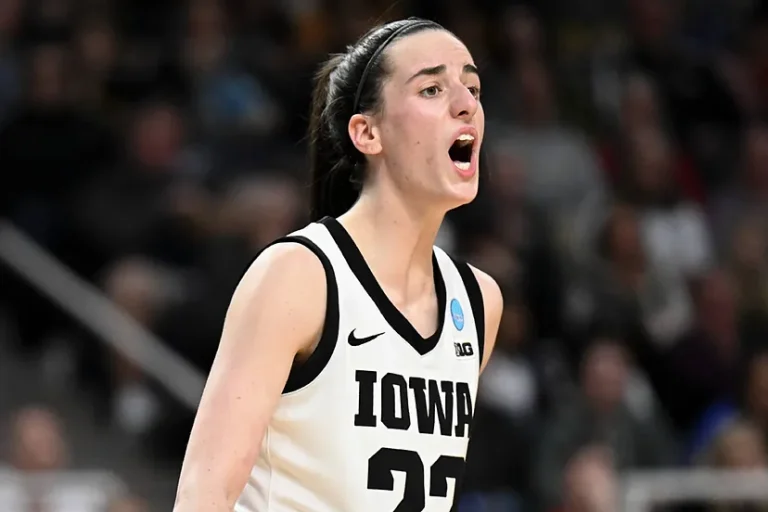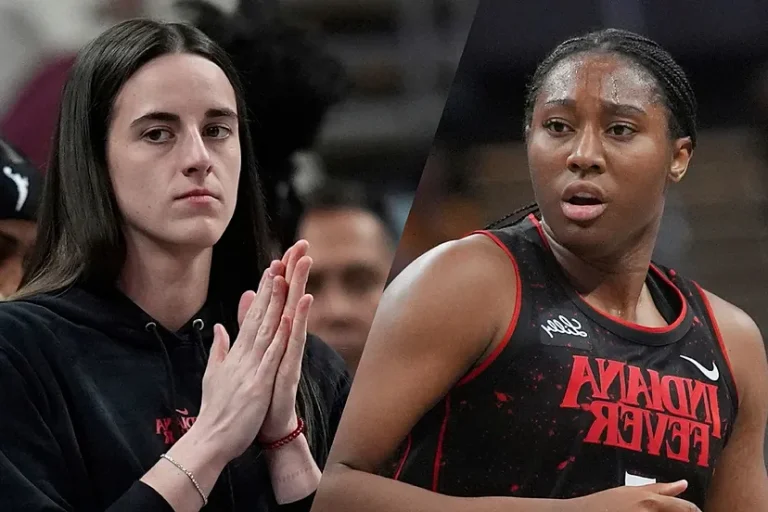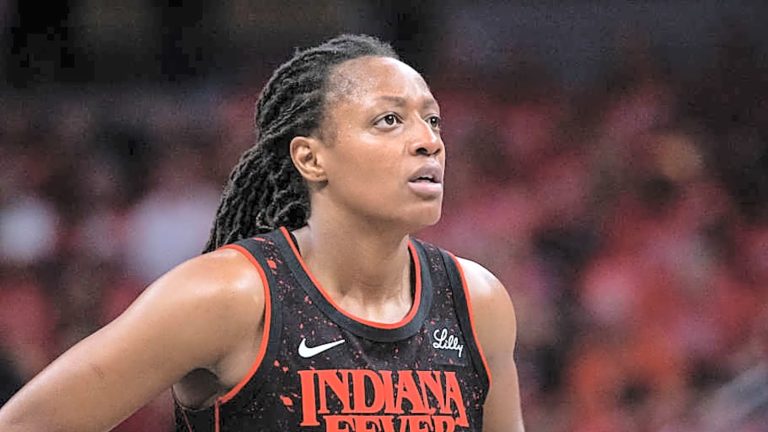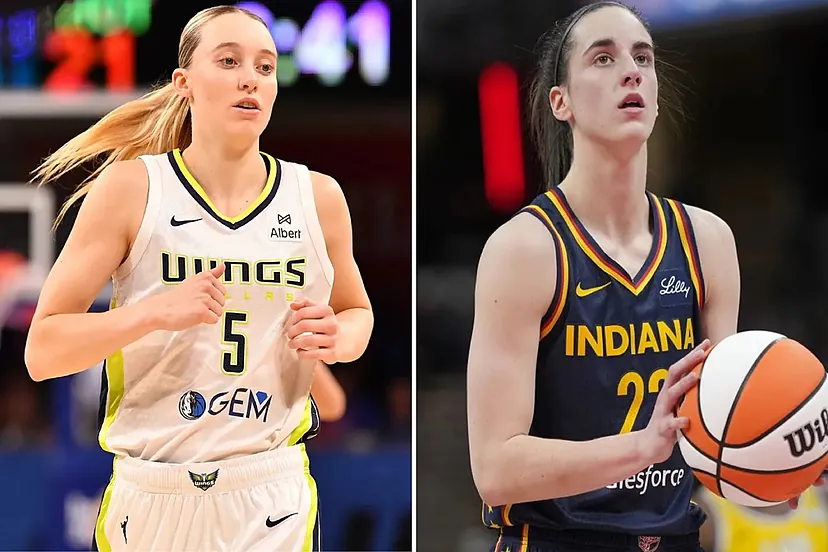
The WNBA operates under a rookie contract structure that rewards draft position rather than market value or cultural impact. While this approach ensures cost control for teams, it also creates a ceiling for players whose popularity far exceeds their paychecks. Caitlin Clark and Paige Bueckers both fall into this category. Their current salaries reflect where they were drafted, not the revenue and attention they generate for the league.
As discussions around a new collective bargaining agreement continue, many fans expect major salary improvements across the board. Reports suggest the league minimum could rise significantly, possibly close to two hundred thousand dollars. On the surface, this sounds like a win for everyone involved. But history shows that these increases do not always benefit all players equally.
The 2020 CBA offers an important lesson. That agreement raised the minimum salary, which helped players earning at the lower end of the scale. However, players already earning above that minimum saw little to no change in pay. Some All Star level players effectively stood still financially while others experienced noticeable gains. This uneven distribution created quiet frustration among top contributors.
A similar structure in the next CBA could create problems for Clark and Bueckers. Both currently earn more than the existing minimum but would still fall under the new salary floor if it rises. If the league simply lifts everyone to the same baseline without adding performance or value based bonuses, their pay could stagnate. Meanwhile, players with far less visibility could receive proportionally larger increases.
This is not about denying fair pay to role players or veterans. It is about recognizing that elite talent drives growth. Caitlin Clark’s arrival has brought unprecedented attention to teams like the Indiana Fever, while Paige Bueckers continues to shape the league’s future with her on court dominance and market appeal. Despite this, rookie contract rules limit their leverage and prevent renegotiation until free agency.
The looming threat of a labor stoppage adds urgency to these concerns. Players want a system that rewards contribution, not just tenure or draft slot. How the WNBA handles rookie contracts in the next CBA will send a powerful message. It will show whether the league is ready to fully value the stars who are fueling its rapid rise or risk creating frustration among the very players fans tune in to see.
Comment Section Prompt
Do you think the WNBA should change its rookie contract system to better reward stars like Caitlin Clark and Paige Bueckers, or is the current structure fair? Share your thoughts below.
About the Author