The WNBA is on the brink of its largest growth spurt ever, with franchises slated for Toronto, Portland, Cleveland, Detroit, and Philadelphia over the next five seasons. Those additions translate to at least 60 new roster slots—welcome news in a league long branded the toughest club in professional sports to crack. Golden State’s early-success blueprint, anchored by astute expansion-draft picks and global scouting, already shows how new general managers can thrive when the talent pool widens.
Yet veterans and overseas returnees are not the only answers to filling those uniforms. Age restrictions—still the strictest in American pro sports—bar most college underclassmen from declaring for the draft until they turn 22 or meet strict graduation rules. By contrast, the NBA welcomes players one year out of high school, while the NWSL can sign select athletes younger than 18. Aside from rare cases like Jewell Loyd, Jackie Young, and Satou Sabally, gifted prospects spend four full seasons in college even when their skills are pro-ready.
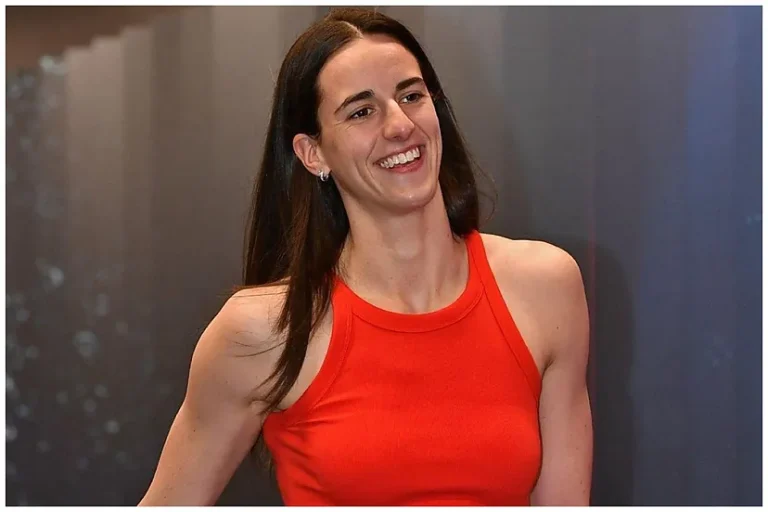
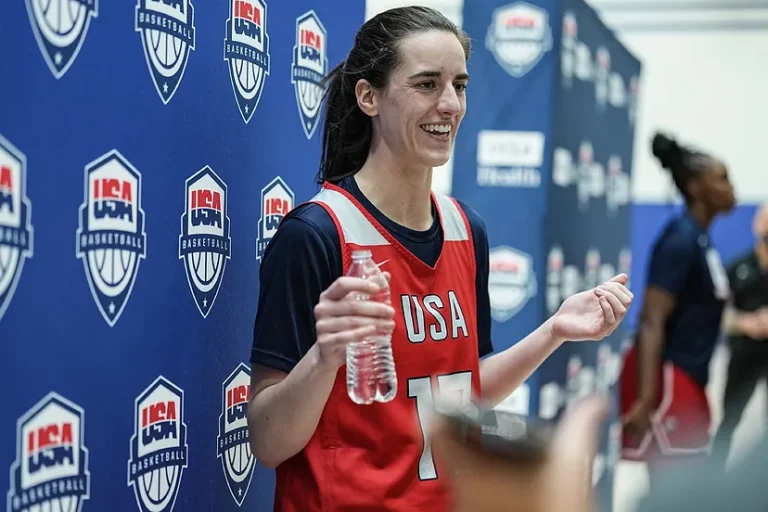
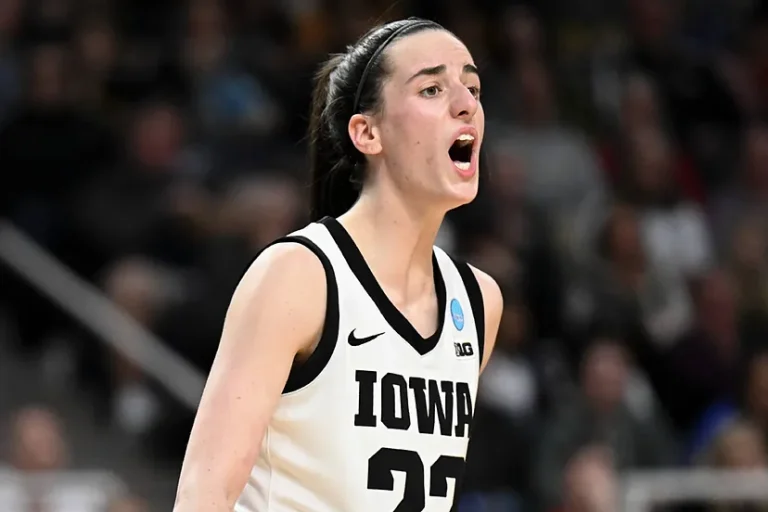
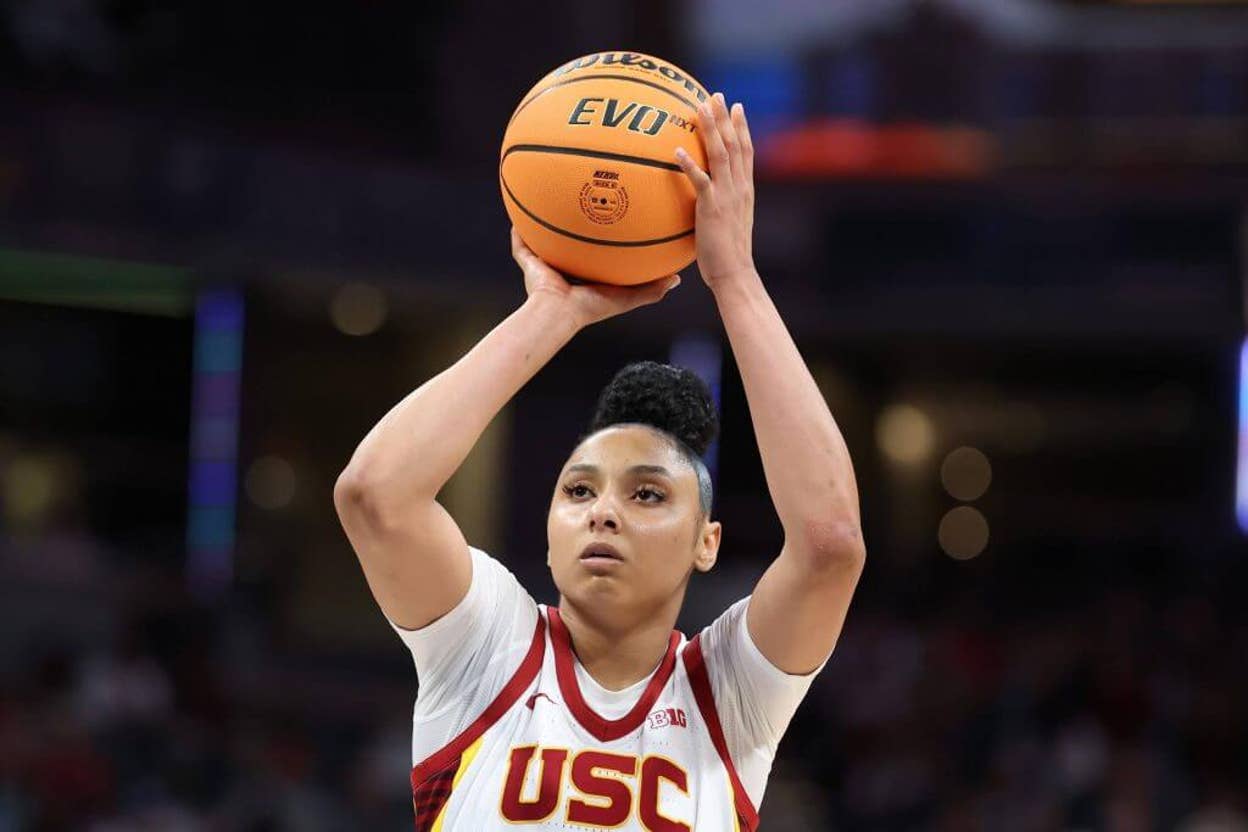
That cutoff once shielded established WNBA players, but expansion and modern NIL dollars have reshaped the equation. Stars such as Caitlin Clark, Paige Bueckers, and JuJu Watkins earned lucrative deals long before senior year, proving college is not the only springboard for brand growth. If the W can close the paycheck gap with stronger rookie salaries, early entry becomes a rational path rather than a pay cut.
Loosening the limit would also strengthen the players’ bargaining power in the looming collective-bargaining talks. Owners eager to draft teenage phenoms sooner would need to raise compensation and benefits to match what powerhouse programs and collectives already provide. Landing a Watkins or LSU standout Flau’jae Johnson a year earlier could boost franchise revenue overnight—and, in turn, lift salaries across the league.
Other leagues offer a cautionary tale for delay. The NWSL’s Olivia Moultrie sued for the right to play at 15 and won; two years later she was lifting a championship trophy. The WNBA should not wait for a similar court battle. With a larger league on the horizon, giving 19-year-olds the choice to turn pro rewards talent, deepens competition, and accelerates the sport’s surge—all without forcing anyone to leave school before they’re ready.
About the Author