When the WNBA sold the 16 percent stake in early 2022 for 75 million dollars, the league was emerging from pandemic related financial stress. The goal at the time was stability and long term investment in marketing, infrastructure, and global visibility. Commissioner Cathy Engelbert led the effort, calling it the largest capital raise in women’s sports history. While early reports suggested a billion dollar valuation, later disclosures placed the league’s post investment value closer to 475 million dollars.
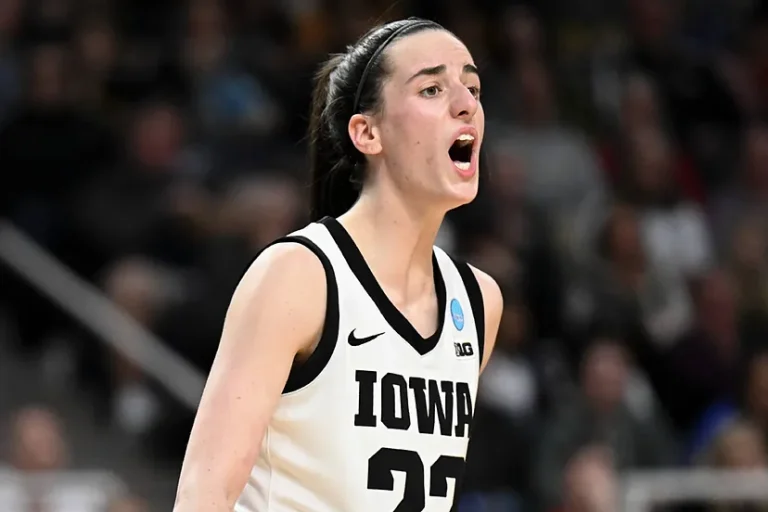
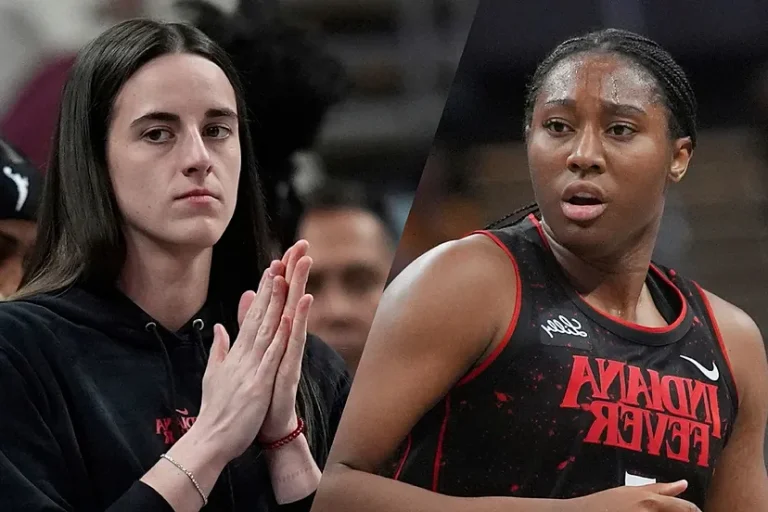
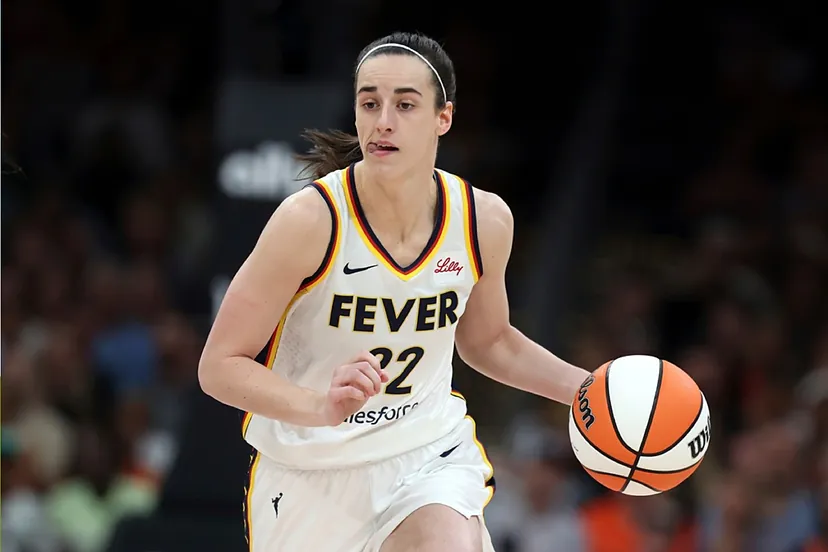
That valuation now appears outdated as league finances have improved significantly. Since the investment, team values have climbed, sponsorship interest has grown, and media attention has increased across the WNBA. Star power from players such as Caitlin Clark has helped drive national interest, ticket demand, and television ratings. The league’s brand has expanded beyond a niche audience into more mainstream sports conversations, especially in major markets.
One of the strongest indicators of this growth is the cost of expansion. The WNBA has announced plans to expand to 18 teams by 2030, adding five new franchises in the coming years. Reports indicate that recent expansion teams in cities like Cleveland, Detroit, and Philadelphia each paid around 250 million dollars to join the league. Those figures alone suggest a dramatic rise in perceived league value compared to just a few seasons ago.
The ownership structure of the WNBA remains complex and is part of the motivation behind the buyback discussions. Before the 2022 investment, ownership was split evenly between NBA owners and WNBA team owners. The sale diluted both sides, leaving outside investors with the remaining 16 percent stake. Some individuals now hold overlapping roles as NBA owners, WNBA owners, and league investors, creating layers of shared control that can slow decision making.
Economists and sports business analysts believe this structure could limit the league’s next phase of growth. Stanford professor Roger G. Noll has pointed out that the NBA historically viewed the WNBA as a secondary operation rather than a standalone business. As women’s basketball gains market strength, questions remain about whether that model still fits the league’s ambitions. A buyback could help simplify governance and give the WNBA more autonomy over its future.
Labor negotiations add another layer to the situation. The WNBA is currently in extended collective bargaining talks with the players association. Disagreements over revenue sharing and salary caps have stalled progress for more than a year. Players are pushing for a higher share of gross revenue and a significantly larger team salary cap, while the league’s proposal focuses on net revenue sharing and more modest increases.
If the WNBA exploring buyback of 16 percent stake becomes reality, it could influence those negotiations. Regaining equity would give the league greater flexibility in shaping its financial model and long term strategy. A simpler ownership structure may also make it easier to align league growth with player compensation, especially as revenues continue to increase.
It is important to note that discussions around the buyback are still preliminary. League officials have not confirmed a timeline or financing plan, and no final decision has been announced. However, the fact that the option is being considered at all reflects how far the league has come in a short period of time. What once was an emergency funding move is now being reevaluated from a position of strength.
Comment Section Prompt
What do you think a WNBA buyback would mean for the league’s future and its players?
About the Author