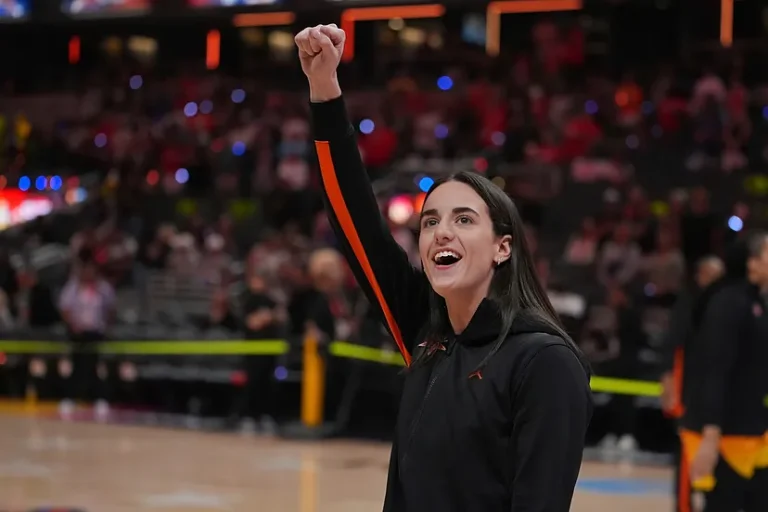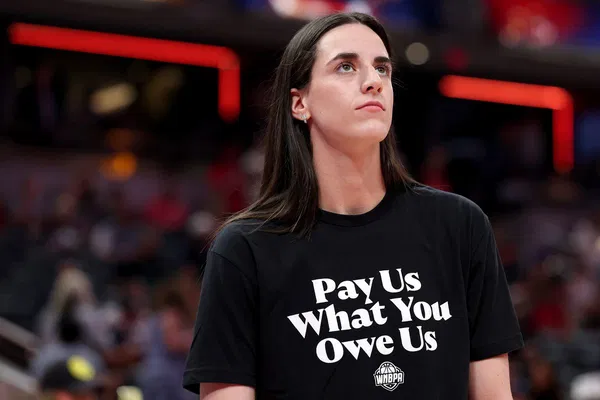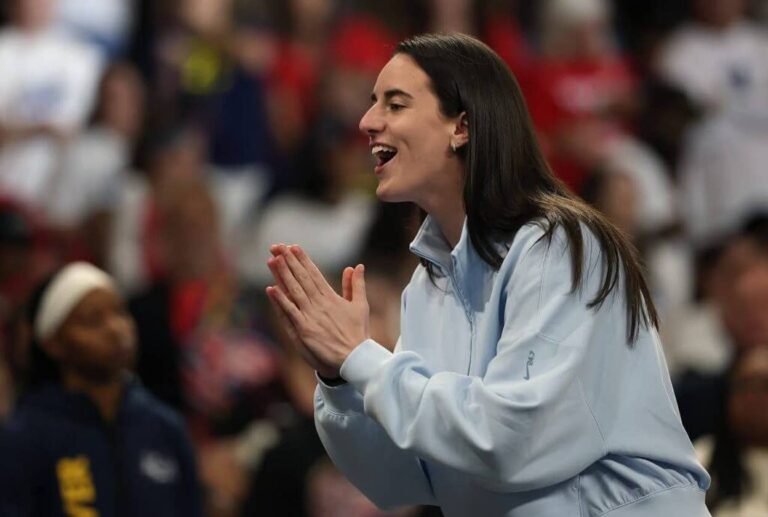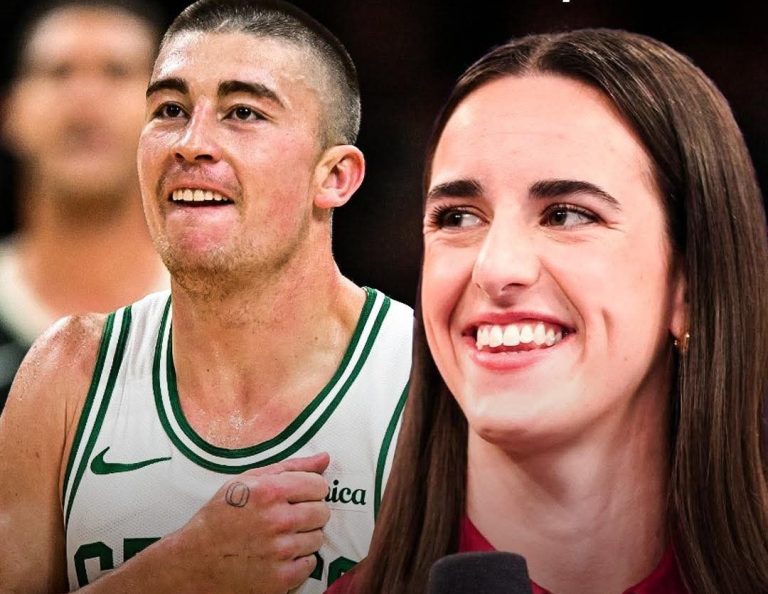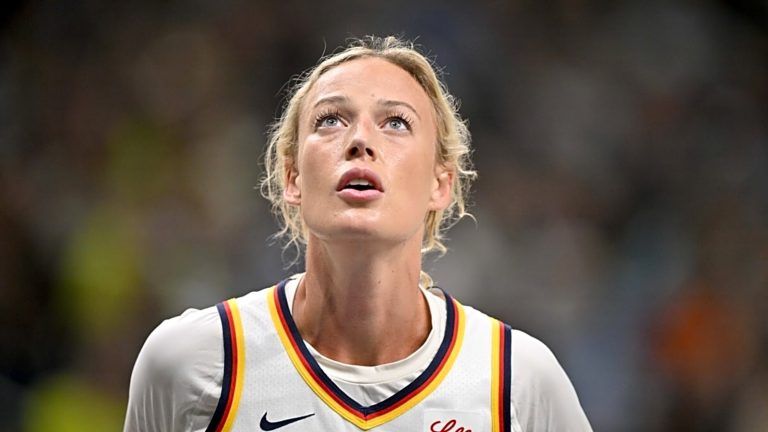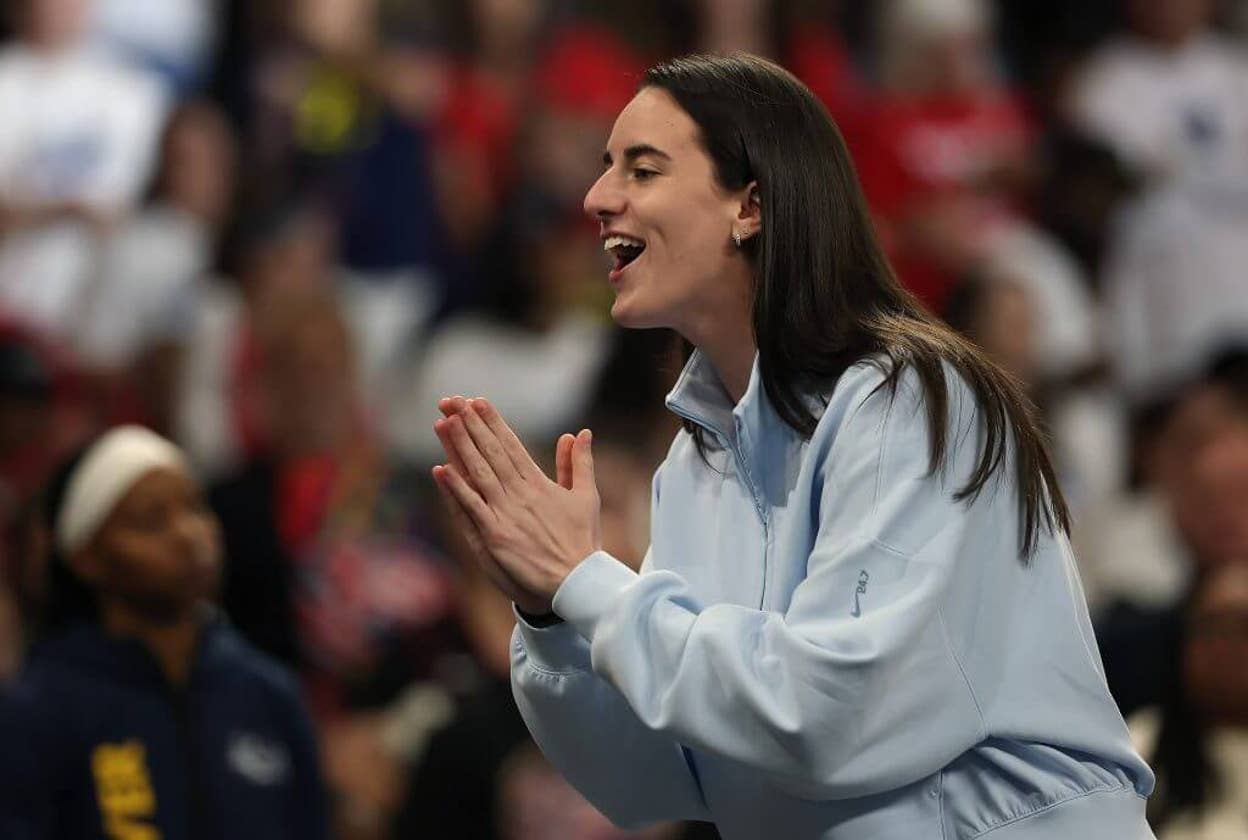
While Clark’s arrival delivered record attention, higher attendance, and new fans, league insiders say her popularity also revealed major weaknesses in how the WNBA manages growth, media coverage, and long-term planning. Questions are now being raised about whether the league was structurally prepared for this moment and how leadership under Commissioner Cathy Engelbert will respond as CBA negotiations approach. This issue goes beyond one player and reflects a turning point for the league’s business model and public image.
Main Content Body
The WNBA experienced a rapid rise in visibility following Caitlin Clark’s transition from college basketball to the professional stage. Television ratings increased, ticket sales surged, and national conversation around the league expanded in ways not previously seen. However, this sudden expansion highlighted gaps in broadcasting access, including regional blackouts and limited national availability for some games. These problems made it difficult for new fans to consistently follow the league, which weakened the momentum that Clark helped generate. The WNBA broadcast role shift became a central topic as media partners and league officials tried to adjust in real time rather than through long-term preparation.
Long before Caitlin Clark entered the league, players such as Breanna Stewart and Napheesa Collier had built the foundation for women’s basketball growth. Their commitment, often involving sacrifices in overseas earnings, helped sustain the league during years of lower visibility. This history matters because the current attention is not solely the result of one athlete’s success but of decades of development and advocacy. The recent coverage shift, however, framed the league’s rise largely through a single-player narrative. This created tension among veteran players who felt their contributions were being overlooked in the broader story of the WNBA’s growth.
Public response has reflected both excitement and concern. Fans welcomed the new energy and mainstream attention that Clark brought, while also expressing frustration over access issues and inconsistent scheduling. On social media, debates emerged about whether league leadership was prepared to handle this surge in popularity. Some players publicly questioned decisions related to travel standards and media partnerships, pointing to missed opportunities to fully capitalize on the moment. Fan reaction analysis Caitlin Clark discussions often returned to the same theme: the league gained attention faster than it improved its internal systems.
From a business perspective, the Caitlin Clark media impact on WNBA leadership has forced unresolved issues into the open. Revenue sharing, player working conditions, and ownership structures are now being discussed alongside broadcast strategy and marketing. The upcoming collective bargaining agreement negotiations will be influenced by these conversations, as players push for better compensation and clearer long-term investment. This situation illustrates how mainstream visibility can create pressure for institutional change. Growth without preparation can expose flaws that were previously hidden when expectations were lower.
The league now stands at a crossroads between short-term popularity and sustainable development. Expanding audiences expect reliable coverage, professional travel standards, and consistent storytelling that reflects the league’s full history. The WNBA coverage shift must move from reactive decisions to structured planning that supports long-term trust from fans and players alike. Clark’s presence accelerated this process by bringing scrutiny from new audiences who are used to polished professional sports operations. Her influence has shown that star power alone cannot fix organizational challenges without strategic leadership.
The Caitlin Clark media impact on WNBA leadership represents more than a moment of popularity. It highlights how quickly success can reveal weaknesses in systems that were built for a smaller scale of attention. As the league approaches critical decisions around broadcasting, player relations, and business growth, this period will shape its future direction. Fans are witnessing not just a rise in talent but a test of whether the WNBA can evolve into a fully modern sports organization. What happens next will determine how lasting this surge in mainstream visibility becomes.
Comment Prompt
What do you think this moment means for the future direction of the WNBA?
About the Author