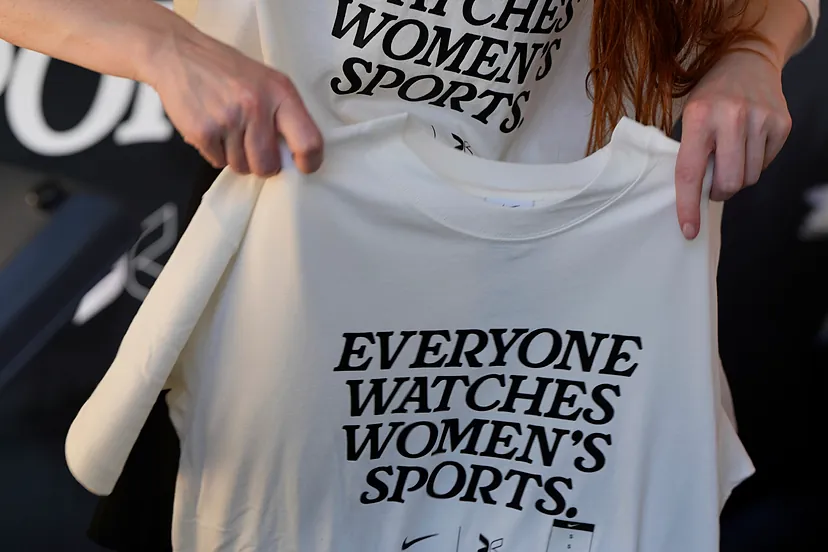
The current WNBA labor dispute stems from disagreements over revenue sharing and salary structure. Players, through the WNBPA, are pushing for roughly 30 percent of gross league revenue to better reflect their contributions to ticket sales, sponsorships, and TV ratings. The league, however, has proposed a model closer to 70 percent of net revenue, which the union argues lacks transparency and limits long-term earning potential.
The deadline for a new CBA passed without resolution, prompting the WNBPA to issue a sharply worded statement accusing the league of clinging to outdated provisions. This public escalation highlights the growing frustration among players, who see this as more than a procedural setback but as a reflection of whether the league values their contributions at a time of rising visibility for women’s basketball.
Salary structure remains one of the central points of contention. The WNBPA’s proposal includes team salary caps exceeding $10 million and average player salaries nearing $1 million. The league countered with a lower cap around $5 million, tying raises to revenue growth rather than fixed benchmarks.
Revenue sharing is another major sticking point. Players argue that their demands more accurately reflect their impact on the league’s growth. In contrast, league officials favor a net revenue model, citing concerns about financial sustainability. These differences are now keeping negotiations in a status quo period, where the existing agreement remains in place but no new terms are agreed upon.
The ongoing WNBA labor dispute could affect more than just salaries. By failing to modernize the economic structure, the league risks undermining trust with both players and fans. Labor protests, including symbolic displays like inflatable rats outside NBA-affiliated stores, have drawn public attention to the standoff.
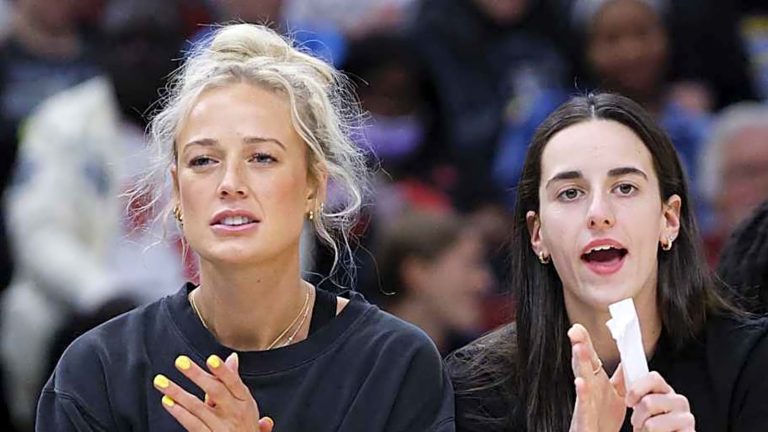
Players like Sophie Cunningham, who have gained visibility in their first seasons, are directly affected by the outcome. The union’s decision to go public signals that incremental changes may no longer be acceptable, especially as women’s basketball continues to attract more fans and sponsorships.
While the WNBA continues operations under the current agreement, unresolved negotiations mean future seasons could face uncertainty. Fans can expect ongoing discussions between the WNBPA and league officials, but the timeline for a new CBA remains unclear. The dispute underscores the growing pains of a league expanding its profile and fighting to properly compensate its players in a rapidly evolving sports market.
Comment Section Prompt
What do you think this labor dispute means for the WNBA’s future growth and player salaries?
About the Author


I think the union should lower there demands a little and the league should give more than there offering now. But the league is making more money now sense the draft class that Clark was in. There a lot more fans in the seats than was before. It almost makes me think that the players before her draft class and the players than excepted they cba you have now doesn’t value themselves as much as the ones that new to the league now.
As I understand it, the players want a lower percentage of the gross, not net, because they have no control over the expenses they deduct (sounds reasonable). As well as a higher cap. In essence the WNBA is saying trust me, and the players feel the WNBA leadership is untrustworthy. Frankly, the players have a valid point.
The WNBA fined and tried to silence the players, failed to adequately protect all players and have proven themselves to be unworthy of the players’ trust.