The lockout uncertainty stems from the expiration of the previous CBA without a finalized new deal. Although there has been no formal work stoppage, the passing of key deadlines has pushed the league into a temporary status quo. Under these conditions, certain processes such as qualifying offers are allowed to move forward. This has created a confusing scenario where free agency technically begins while most normal basketball operations remain paused.
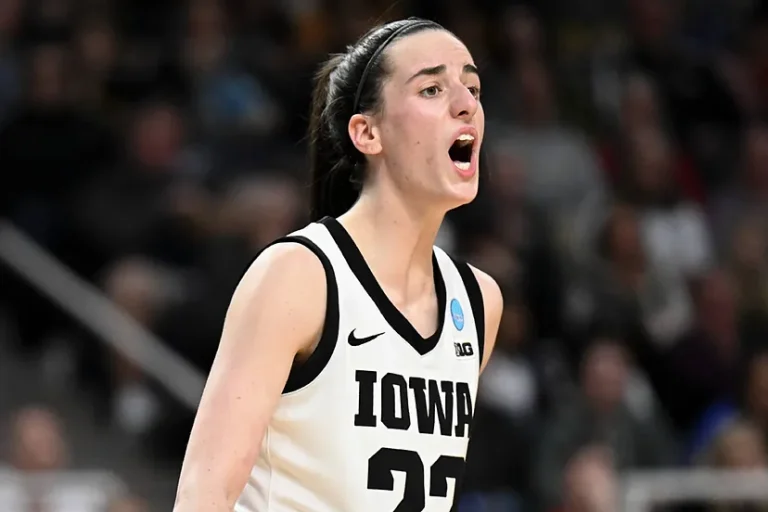
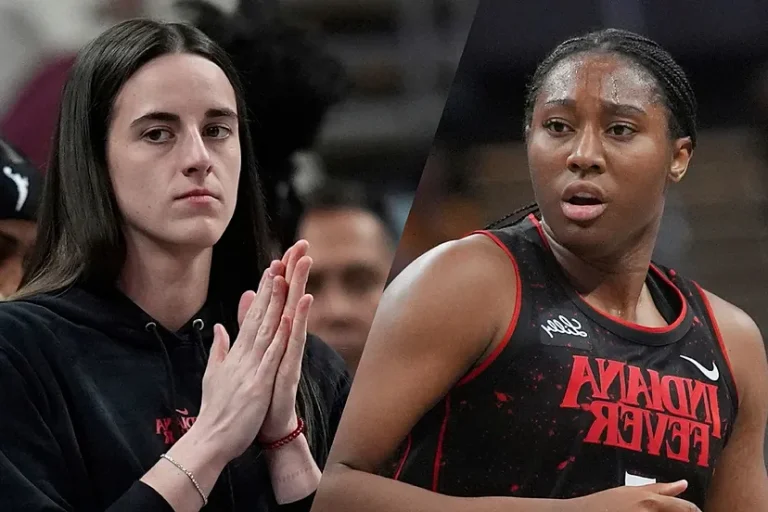
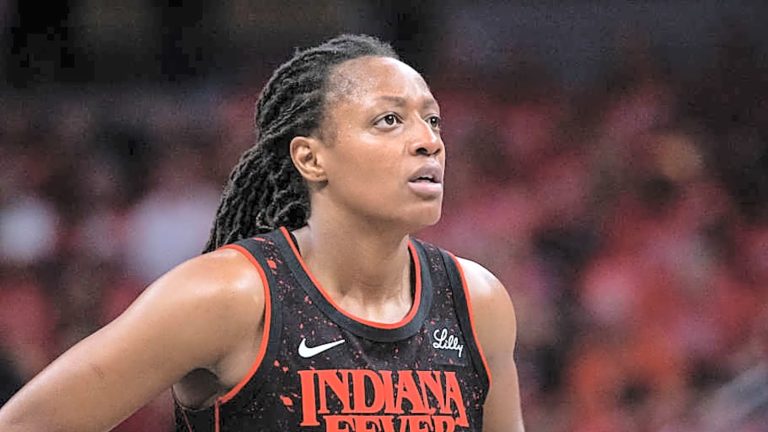
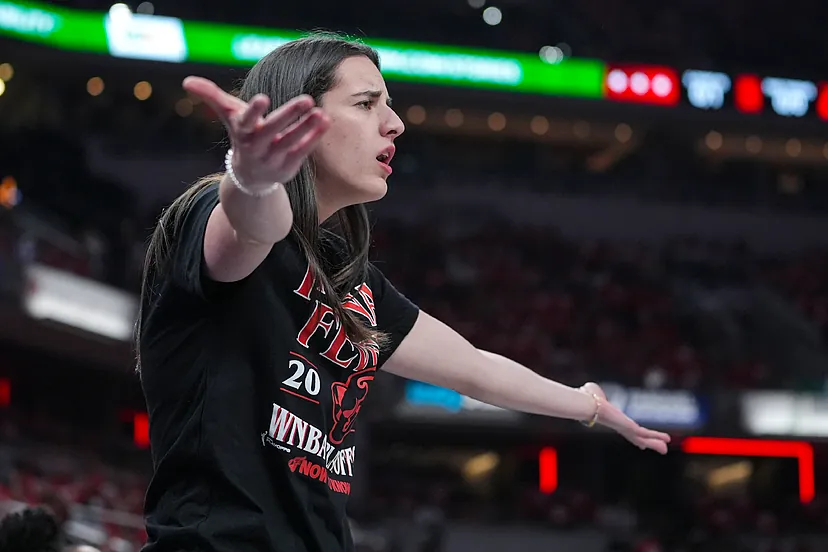
For Indiana Fever supporters, the WNBA lockout Caitlin Clark storyline matters because the team is still building around its franchise centerpiece. Clark’s arrival has already shifted national attention toward the Fever, increasing expectations for competitive growth and long term stability. Any delay in free agency activity affects how quickly the team can surround her with the right mix of veterans and young talent. Even without Clark being directly involved in contract negotiations, her presence raises the stakes for every roster decision.
Qualifying offers are one of the few mechanisms currently moving forward. Teams are allowed to issue one year offers that include core or restricted designations, giving them the right to match outside contracts. These rules are meant to protect teams from losing key players, but under lockout conditions they also limit player flexibility. For fans, this explains why there has been little visible movement despite free agency technically being open.
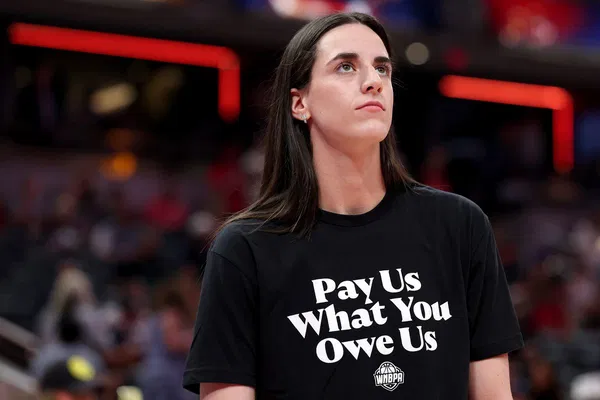
The players’ association has taken a cautious approach during this period. Leaders within the WNBPA have advised players to avoid signing new deals until a new CBA is finalized. The concern is that contracts signed now would lock players into financial terms that may soon be outdated. With league revenue and visibility growing rapidly, especially due to stars like Caitlin Clark, players want to ensure the next agreement reflects the league’s true value.
This pause has league wide implications beyond Indiana. Teams cannot fully execute offseason plans, coaches are left waiting for clarity, and fans are unsure when major announcements will arrive. The WNBA lockout Caitlin Clark discussion reflects a broader moment for the league, where popularity is rising faster than the structure governing player compensation and team operations. The timing makes the negotiations especially significant.
Clark’s influence on the league adds another layer to the situation. Her impact on ticket sales, television ratings, and media coverage has been immediate. The league is now negotiating a new CBA at a time when one of its most marketable players is entering her prime. That reality puts pressure on both owners and players to reach an agreement that supports long term growth rather than short term fixes.
For the Indiana Fever, patience is becoming part of the process. The team can evaluate its options, maintain roster flexibility, and prepare for action once the CBA is resolved. While fans may want quick moves, stability and clarity could ultimately benefit a young roster built around Clark. The lockout pause may slow momentum, but it also creates an opportunity for smarter decisions once negotiations conclude.
Looking ahead, most signs point toward increased activity once a new agreement is reached. Free agency signings are expected to accelerate, and teams like the Fever can move forward with clearer financial and roster guidelines. The WNBA lockout Caitlin Clark situation shows how closely player stardom, labor negotiations, and league growth are connected.
Comment Section Prompt
What do you think this lockout period will mean for Caitlin Clark and the Indiana Fever next season?
About the Author