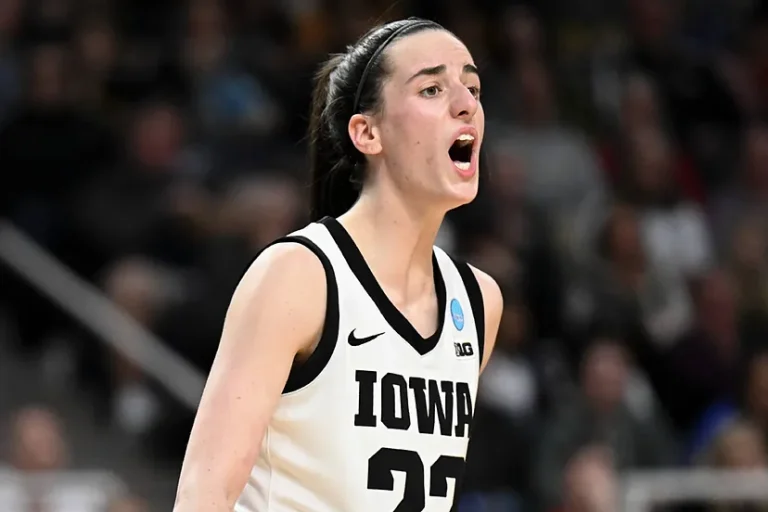
The day after Caitlin Clark announced she would enter the 2024 WNBA draft, veteran columnist Christine Brennan phoned a league executive and warned that something unprecedented was on the horizon. The official compared Clark’s arrival to Maya Moore’s debut, but Brennan knew the scale would be far larger. Clark, already a national sensation, was about to ignite attention the league had never experienced, yet leadership seemed oblivious to the coming wave.
That wave struck on May 9, 2024, when Clark suited up for her first preseason game with the Indiana Fever. Traffic jammed for blocks, 14,000 fans packed Gainbridge Fieldhouse, and security staff watched in disbelief as supporters lined up hours early—figures usually reserved for Pacers games, not a WNBA tune-up. Clark rewarded them with a near-triple-double and a heartfelt plea to “keep coming back,” a wish that quickly became reality as attendance and viewership skyrocketed across the league.
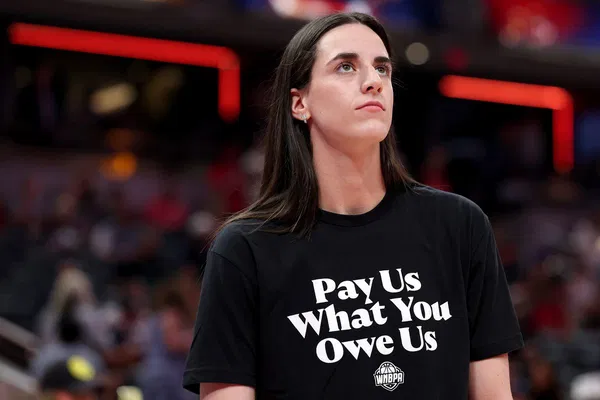
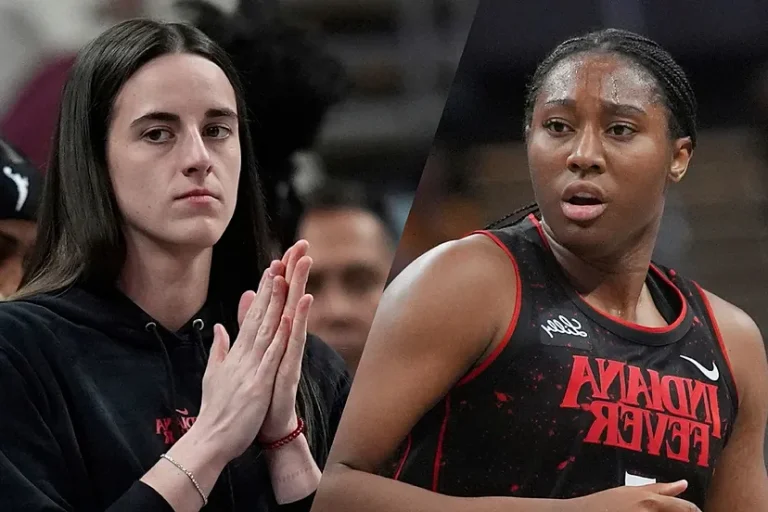
Behind the scenes, however, sociologist Dr. Harry Edwards and other experts argued that the WNBA failed to prepare its athletes—especially its Black veterans—for the cultural and economic upheaval Clark triggered. They believe preseason seminars could have addressed the inevitable frustrations surrounding a white, straight rookie’s meteoric rise in a league long celebrated for its Black and LGBTQ+ identity. Without that guidance, players were “woefully unprepared” for the spotlight’s sharp new glare and the racial undercurrents driving media coverage.
Financially, Clark’s impact proved jaw-dropping. Indiana University economist Ryan Brewer calculated that the rookie generated more than a quarter of all league activity in 2024: ticket sales soared, TV ratings tripled, and merchandise revenue quintupled with Clark jerseys leading the charge. Indianapolis alone gained an estimated $36 million in economic activity. Fellow stars such as Brianna Scurry urged players to seize the moment, calling Clark’s popularity a “watershed” that could lift everyone if embraced rather than resisted.
About the Author