Negotiations over a new collective bargaining agreement have opened on a rocky note, with multiple reports indicating that the league’s first offer fell flat among players. Word of the proposal surfaced late last week, and by Thursday Phoenix Mercury forward Satou Sabally dismissed it as nothing short of “a slap in the face,” signaling turbulent talks ahead.
The discord arrives just as the WNBA’s growth story is accelerating. Detroit, Cleveland and Philadelphia have all been promised expansion franchises by 2030, following this year’s debut of the Golden State Valkyries. Toronto will join the fold next season, and Portland is on deck soon after, giving the league its most aggressive roadmap yet.
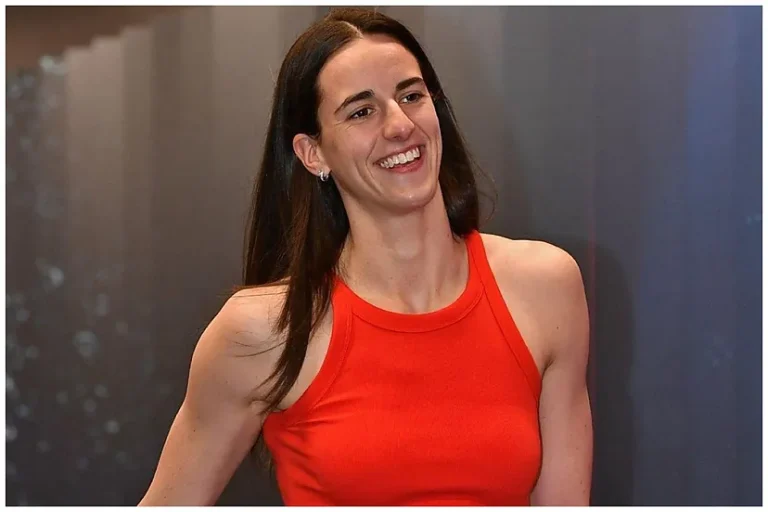
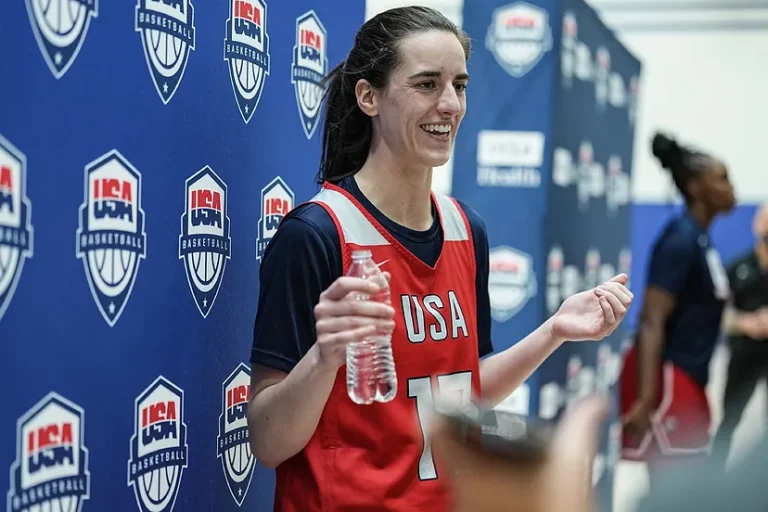
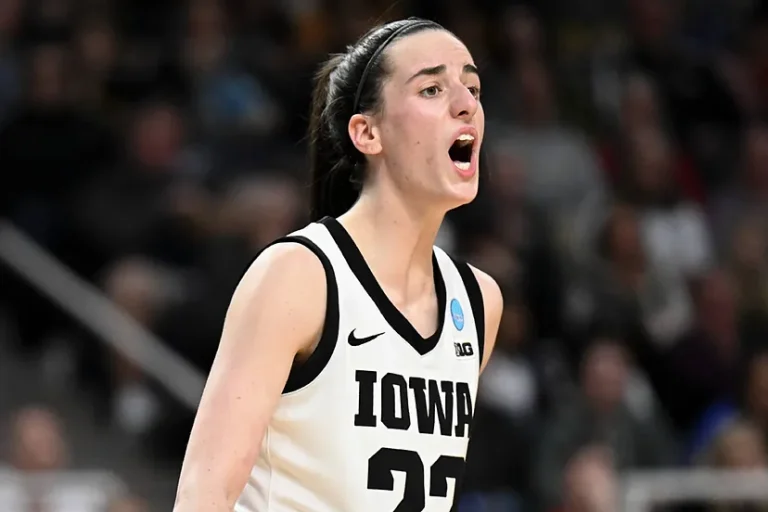
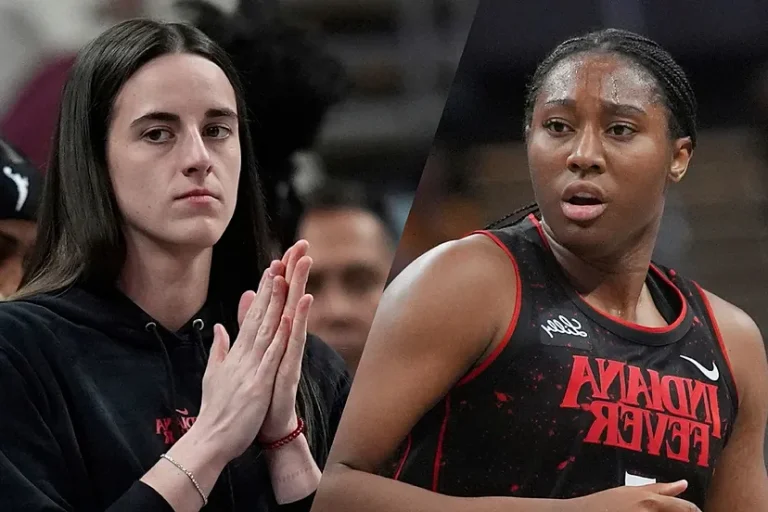
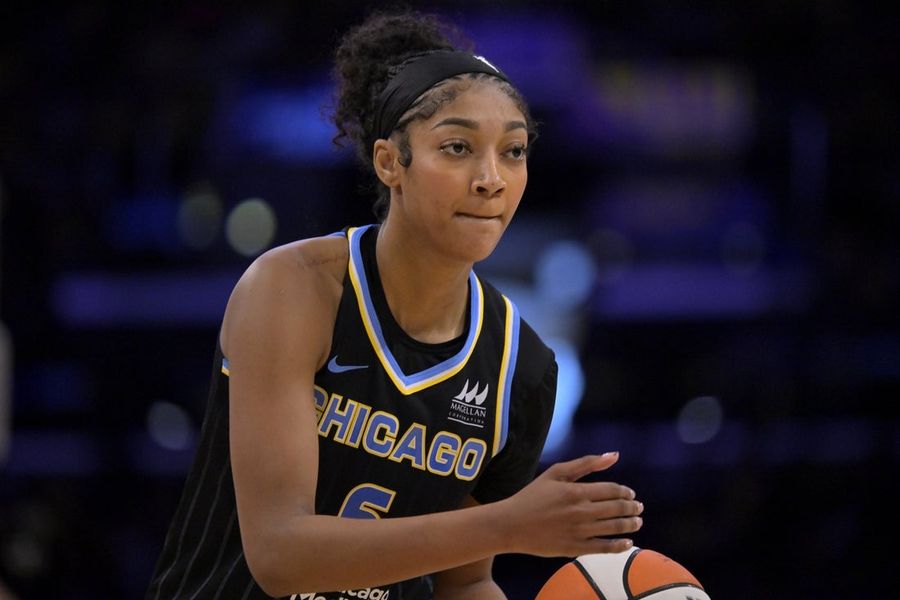
Fueling that optimism is a surge of fresh star power. The rookie arrivals of Caitlin Clark in Indiana and Angel Reese in Chicago last season—and Paige Bueckers’ landing in Dallas this year—have driven record viewership and ticket demand. Their presence has also turned a brighter spotlight on established headliners such as A’ja Wilson, Napheesa Collier and reigning MVP Breanna Stewart, broadening the league’s mainstream appeal.
Players are determined to leverage that momentum. “We’ve got a new CBA on the horizon, and we’re making sure the league feels that pressure,” Reese noted midweek, adding that a bigger talent pool is vital to sustained growth. Her comments echoed a locker-room sentiment that the business boom must translate into better pay and resources on the court.
Those expectations are backed by new money. ESPN revealed last year that the WNBA’s 11-year media-rights deal could swell from $2.2 billion to nearly $3 billion with additional partners. Meanwhile, Front Office Sports pegged the expansion fee haul for Detroit, Philadelphia and Cleveland at roughly $250 million. Sensing a windfall, many veterans negotiated contracts to expire this year, and roughly 80 percent of the player pool is poised to become free agents after the 2025 season—heightening the stakes as the two sides head back to the bargaining table.
About the Author